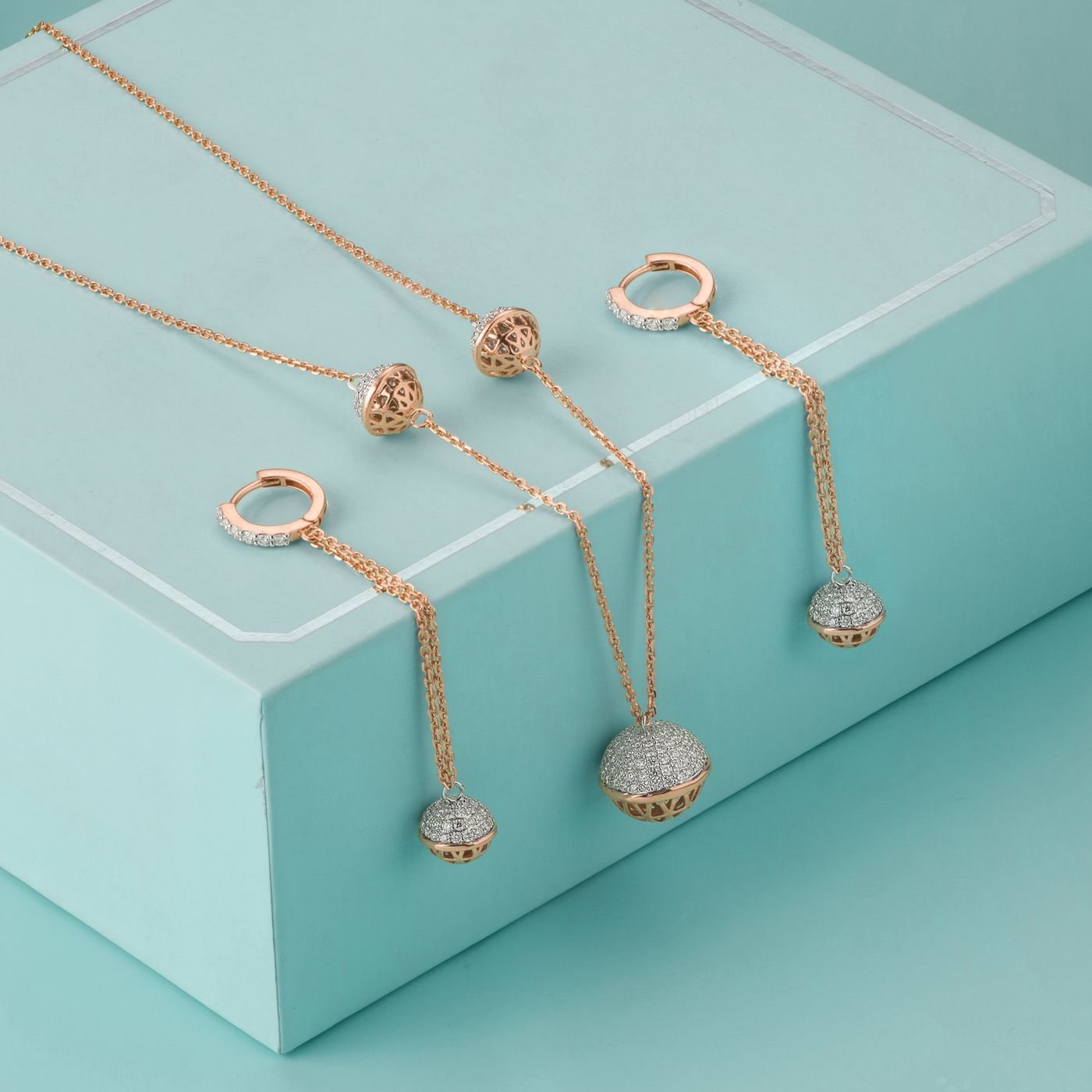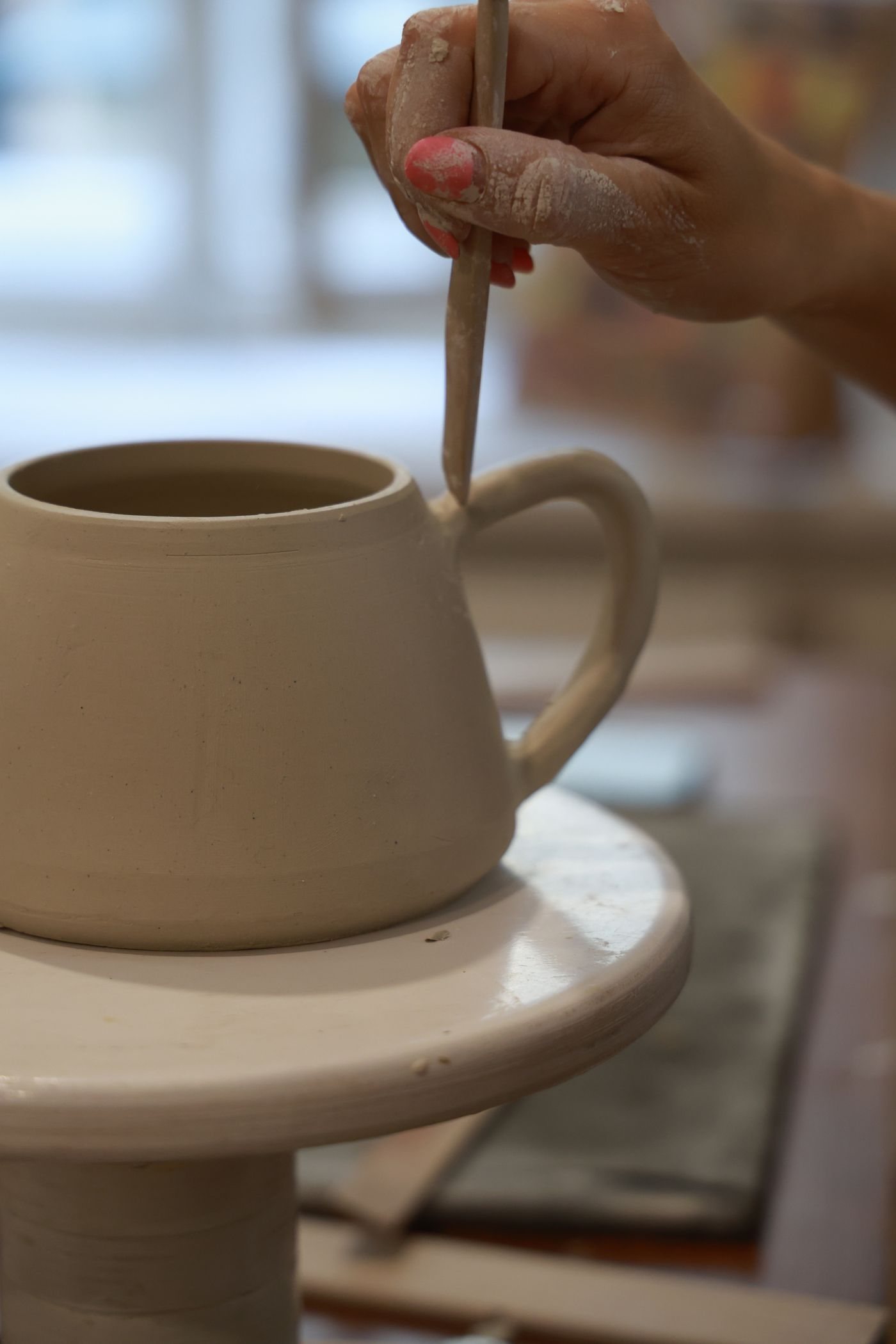
Commissioning an independent maker can produce a gift with a connection that an off-the-shelf object cannot offer. It also involves decisions about scope, materials, timing and expectations. You do not need to arrive with a professional design brief, but you should be able to explain what the object is for and which details matter most. The aim is to give the maker useful direction while respecting their process, rather than asking them to interpret a collection of loosely related inspiration images.
Describe the purpose in ordinary language
Explain who will use the piece, how it will be used and the approximate size or setting. A portrait for a small shelf, a serving board and an outdoor sign have different practical requirements. State your budget range and deadline early so the maker can say whether the idea is realistic.
Choose a few reference images that illustrate specific qualities, such as colour, scale or mood. Say what you like about each one. Do not ask a maker to copy another artist’s work exactly; use references to communicate your preferences and invite an original response within their style.
Ask what is included
Clarify the finished item, materials, dimensions and any supplied fittings or packaging. For artwork, confirm whether the price includes framing. For a digital commission, ask about file formats, printing and the agreed uses. A visually similar example may have a different specification from the piece you are ordering.
Discuss proofs and revisions before payment. Ask what can be changed at each stage and whether additional revisions incur a charge. Distinguish a minor text correction from a new concept; the latter may require substantial new work. Clear boundaries help both sides avoid disappointment.
Understand the timetable and handover
Ask when work can begin, when approval is needed and whether the quoted date is dispatch or arrival. Explain any travel deadline connected to the gift. If the maker needs photographs or measurements, ask when those must be supplied and in what form.
For fragile or valuable work, agree delivery or collection arrangements and read the relevant terms. If the piece is being sent straight to the recipient, confirm gift-message options and whether the maker can keep prices out of the package. Do not assume every small studio offers the same services.
Keep the final brief in one place
Summarise the agreed decisions in a short message: object, size, wording, materials, price, key dates and approval process. Ask the maker to confirm any uncertain point. This is more useful than a long chain of contradictory updates.
Leave room for their expertise. If they explain that a detail will not work at the intended size or in the chosen material, discuss alternatives. The most personal result often comes from a clear purpose and a collaborative practical solution, rather than an inflexible picture of the finished object.