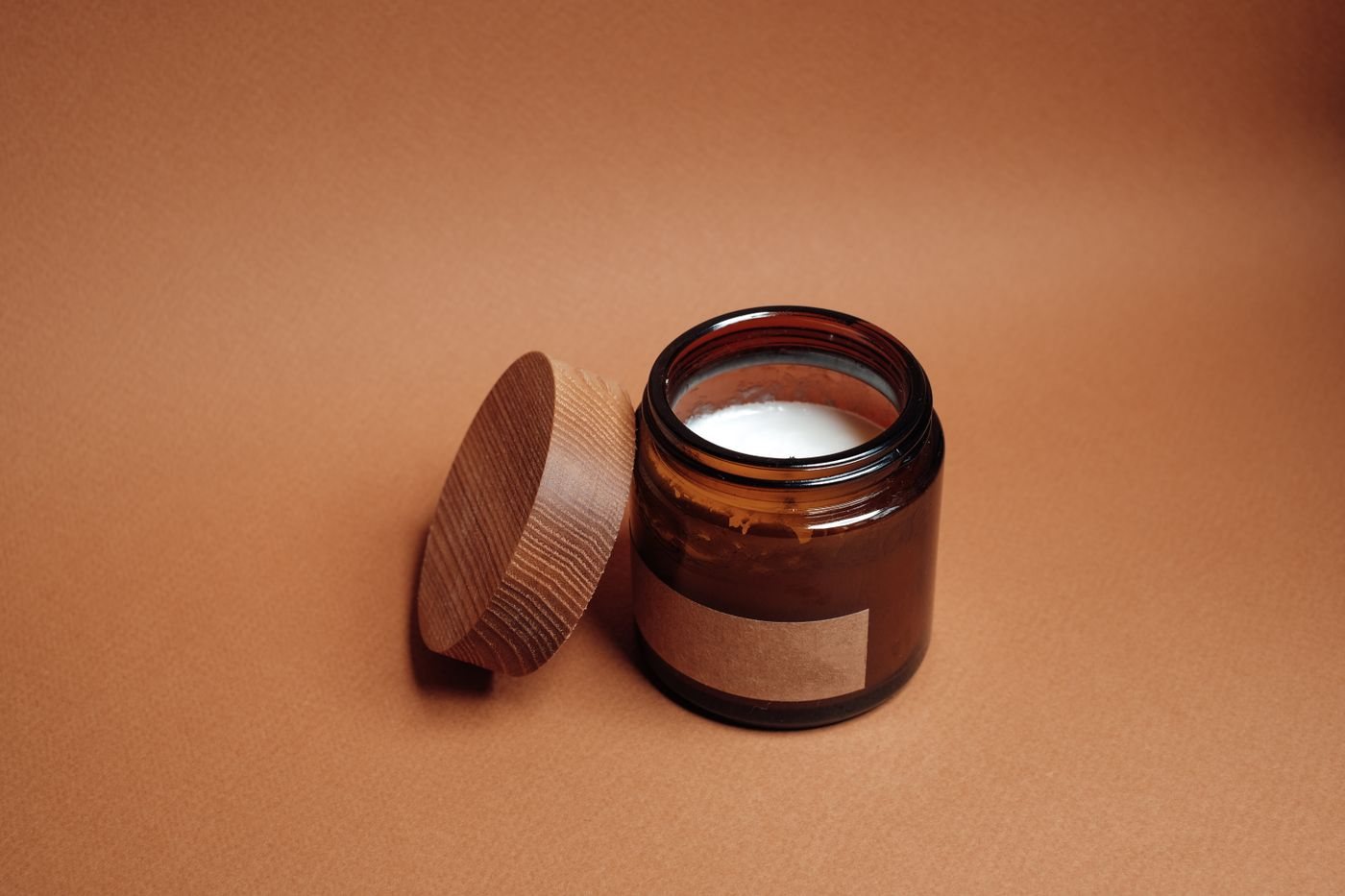
A scented candle can seem like an easy gift because it is compact and attractively packaged. Fragrance, however, is unusually personal: a scent you find gentle may feel strong or unpleasant to someone else. The recipient may also avoid candles altogether. Before choosing one, establish whether they enjoy scented products at home and which broad types they already use. The aim is to offer a familiar pleasure, not to introduce a smell they feel obliged to tolerate.
Start with what is already welcome
Ask whether they prefer fresh, woody, floral or unscented products, but treat those categories as a starting point. Different makers use the same description for very different blends. If the recipient has a known favourite, an exact replacement can be more thoughtful than an experimental alternative.
Do not assume that natural ingredients or a low-key label make a fragrance suitable for everyone. If the person avoids scents, respect that without asking them to justify the preference. An unscented decorative candle still introduces an open flame, so check whether that is something they actually use.
Consider the room and the routine
A small bedroom, shared office and large living room have different practical constraints. A strongly scented gift can affect other people in the household. Think about whether the recipient has a suitable place to burn a candle and whether their routine allows them to supervise it.
London Fire Brigade advises keeping flames away from things that can catch fire, using stable heat-resistant holders and never leaving candles unattended. Keep the maker’s safety label attached and avoid presentation that encourages burning among dried flowers, tissue or ribbon. Decorative packaging should be removed before use.
Choose presentation that does not overpromise
Scent notes are descriptions, not guarantees of how a fragrance will feel in someone’s home. Avoid telling the recipient that the candle will improve sleep, reduce anxiety or deliver another health outcome. You can simply say that the scent reminded you of a place or matched a preference they mentioned.
Check the vessel, instructions and any stated burn guidance from the actual maker. Do not invent a universal first-burn duration or trimming rule. Include product information rather than writing your own care advice based on a different candle.
Have an alternative ready
If you cannot establish a scent preference, choose another kind of gift: a small book, a familiar consumable or an unfragranced object linked to the recipient’s interests. A flameless light may suit someone who wants a glow, provided the size, appearance and power requirements work for their space.
The considerate decision may be to skip the candle entirely. A gift category that appears universally convenient is only useful when it matches a particular person’s home and habits.