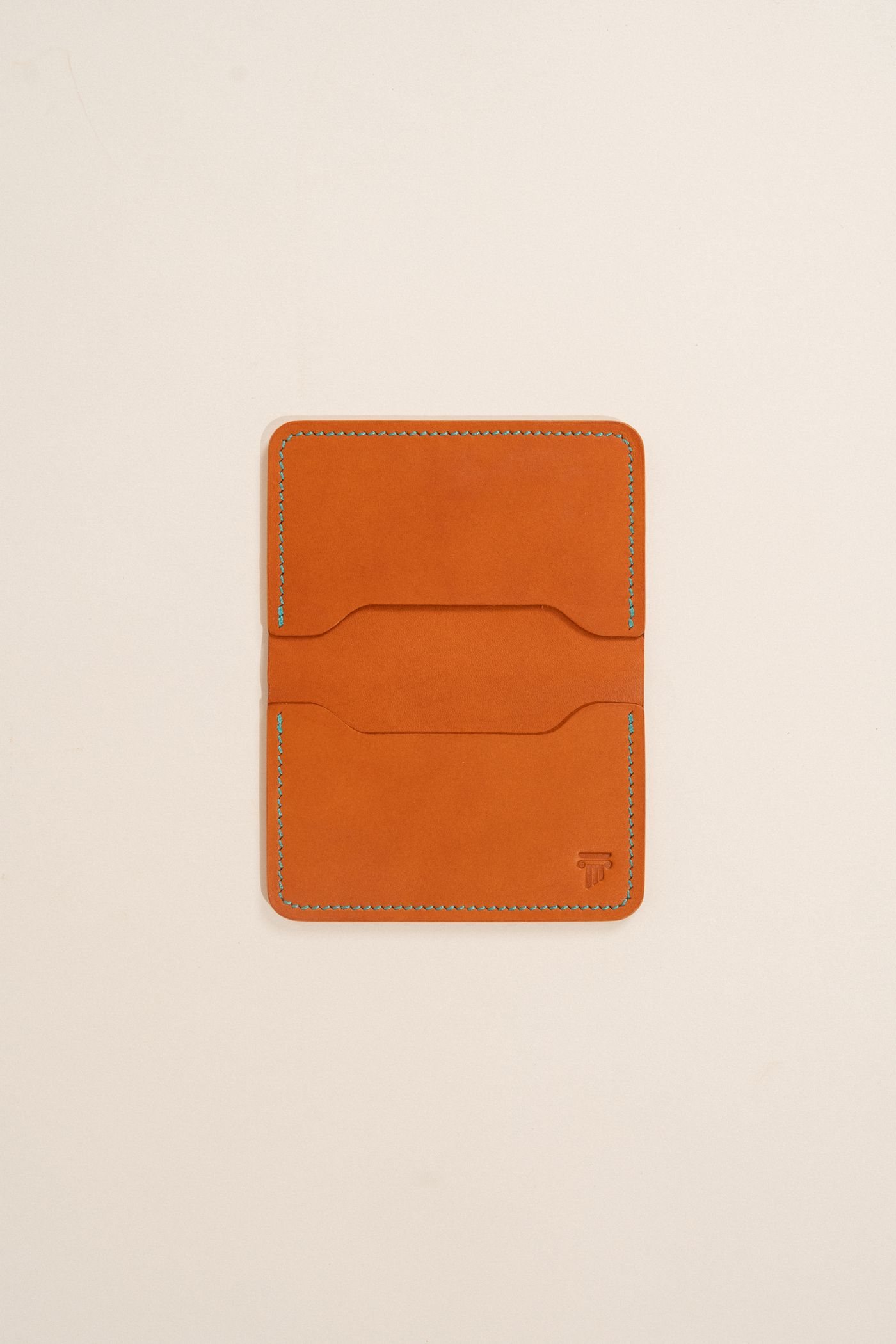
A leather wallet is handled frequently, carried against clothing and sometimes caught in wet weather. Its appearance may change with use, but different leathers and finishes do not all age or respond to care in the same way. When giving one, include the maker’s instructions rather than a general collection of creams and sprays. The most thoughtful extra may be clear information about the chosen material, alongside a wallet that fits the recipient’s cards, cash and everyday habits.
Choose the wallet before the treatment
Check capacity, closure and dimensions first. Count the types of cards the recipient actually carries and whether they still use coins or notes. A slim cardholder is not a practical upgrade for someone who needs a coin compartment, however attractive the leather looks.
Ask about material preferences before assuming leather is welcome. If it is, consider the finish they enjoy: some people like visible signs of use, while others prefer a surface that stays visually uniform. Mulberry’s care guidance notes that different leathers age differently, which is a useful reminder to read the exact product description rather than treating all leather as interchangeable.
Pass on specific instructions
Keep the original care leaflet or save the maker’s relevant page in a simple note. State the product name or material reference so the recipient can find the right information later. Avoid rewriting detailed instructions from memory, especially where a product has a specialist finish.
Do not add a conditioner merely because it is labelled for leather. Ask the maker whether it is suitable for that wallet. A product intended for smooth leather may not suit another finish, and an unnecessary treatment can change the surface. A clean storage pouch is often a less complicated addition.
Plan for ordinary use
The recipient may need time to transfer cards and decide how the wallet feels in a pocket or bag. Leave any personalisation subtle and verify sizing before committing, since a marked item can be harder to exchange under the seller’s terms. Include the receipt details discreetly.
If the wallet becomes wet, the maker’s own instructions should lead the response. Mulberry, for example, advises removing residual water and allowing its leather goods to dry naturally. That is product guidance, not a universal prescription for every leather wallet, so direct the recipient to the information supplied with theirs.
Keep the gift light
There is no need to fill every compartment with novelty notes, coins or accessories. A short card can explain why the design seemed suited to them. If you want to include something inside, use a separate paper message that will not mark the lining. The wallet should arrive ready for their belongings and their routine.