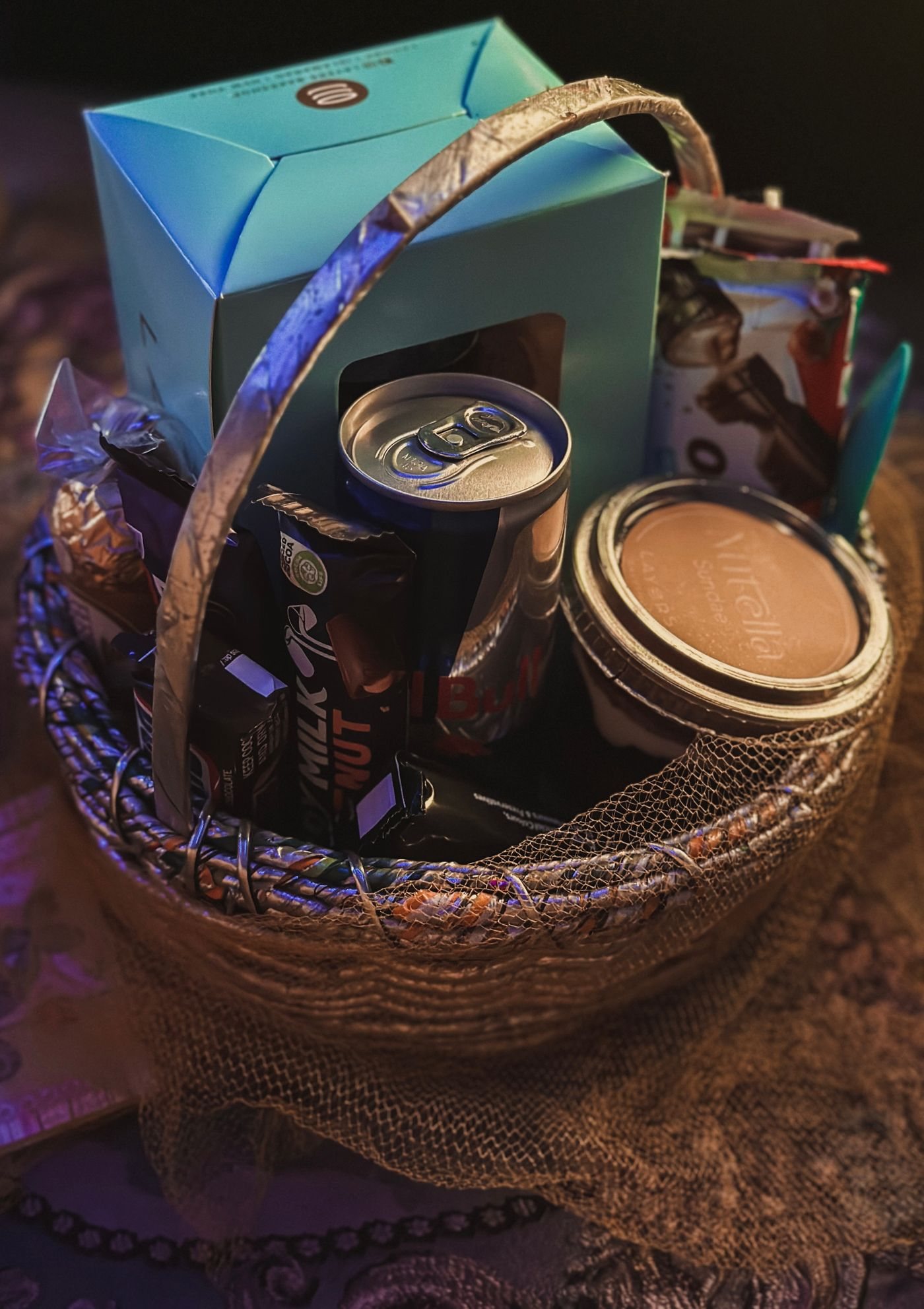
Food gifts are often chosen as an easy alternative to objects, but they still require knowledge of the recipient. Allergies, dietary choices, dislikes, storage space and household habits all matter. A large hamper can be less generous in practice than one familiar item the person can confidently enjoy. Ask a few clear questions before shopping, especially if you are giving to a household rather than an individual. The conversation need not reveal the entire gift to make it much more suitable.
Ask directly and without assumptions
Try a simple question about anything they avoid or would prefer not to receive. Do not infer dietary needs from appearance, religion, age or a previous meal. Preferences can change, and one member of a household may have different requirements from another.
For a recipient with a food allergy or another medical dietary requirement, let them guide the choice. The Food Standards Agency emphasises the importance of having information for safe food decisions. A familiar sealed product they identify may be more appropriate than a homemade assortment whose ingredients and preparation conditions are difficult to establish.
Keep the original information intact
Read labels on the actual products you buy and retain them in the gift. Do not decant everything into attractive unlabelled jars. If you create an additional contents card, it should support rather than replace the manufacturer’s ingredient, storage and date information.
Check dates against the handover and likely use. A gift that arrives with very little time remaining can create pressure to eat or distribute it immediately. Avoid large quantities unless you know the recipient wants them. Variety should not be an excuse to include products chosen mainly to fill empty space.
Consider storage and delivery
Chilled and frozen products need arrangements that suit their requirements. Confirm that the recipient will be available and follow the supplier’s delivery and storage guidance. An unexpected parcel at a workplace or outside a door may be inconvenient even when the contents are otherwise suitable.
For shelf-stable items, think about space and access. Heavy jars, large tins and awkward packaging can be burdensome. Separate food from scented candles, soaps or other products that could affect its smell, and use packaging suitable for contact with food where necessary.
Choose a coherent amount
A small selection for a specific occasion can be easier to enjoy than a general hamper. Breakfast favourites, a familiar tea and biscuit pairing or ingredients for a requested recipe give the contents a clear purpose.
Include a note explaining the choice without promising health benefits or insisting that the recipient share it in a particular way. If the requirements are uncertain, choose a non-food gift or a flexible contribution to a shop they already use. Thoughtfulness can include recognising when food is not the simplest option.