A successful pet portrait often depends less on a dramatic background than on getting a familiar expression right. The tilt of an ear, an uneven patch of fur or the shape of a sleeping paw may be what the owner recognises first. Commissioning the work is therefore an exercise in careful observation. Gather useful photographs and a few specific notes before comparing formats, rather than expecting an artist to reconstruct everything from a tiny social-media image.
Choose a reference with visible details
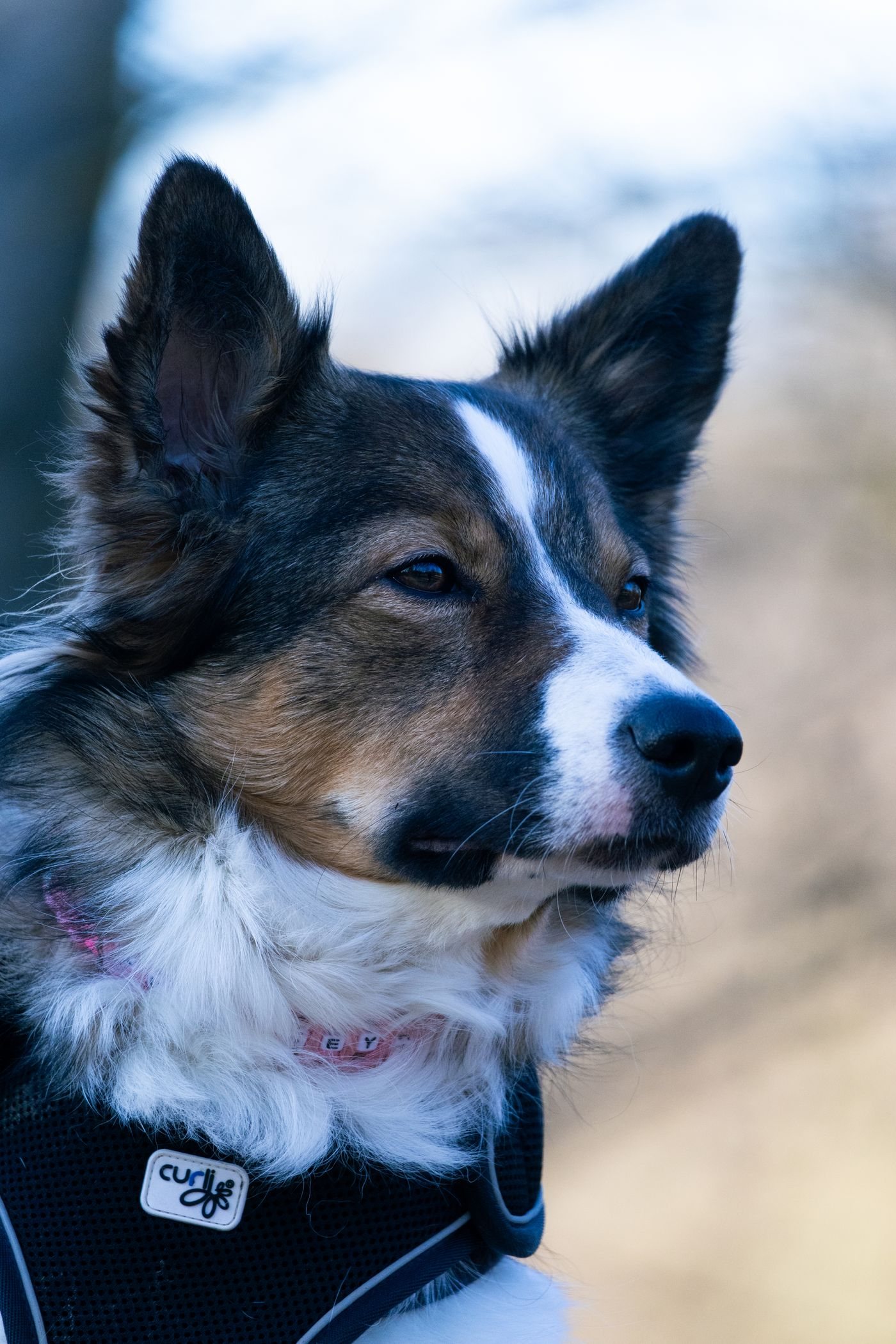
Start with an original photograph taken in even light, with the eyes, muzzle and markings clearly visible. Send the full file rather than a screenshot if possible. A second image can clarify the body colour or a marking hidden in the main pose, but tell the artist which photograph should determine the expression. Too many contradictory references can create uncertainty. If a much-loved animal has died and photographs are limited, ask what is achievable from those files before committing to a style that depends on precise detail.
Explain what makes the animal recognisable
A short brief might describe a crooked ear, a white chin and a habit of sitting with one paw tucked under. Separate essential features from optional background details. Decide whether to include a collar, tag or favourite toy, and remove any address or telephone number from a visible tag. Avoid asking the artist to combine several complex poses unless that is part of the agreed commission. A clear, modest brief gives them room to work while protecting the details that matter to the person receiving the picture.
Set the scope before work begins
Ask whether the price covers an original artwork, a physical print, a digital file or some combination. Confirm size, orientation, background, number of animals, proof stages and the number of revisions included. A digital preview may not reveal the texture of a painting or the exact colour of the printed version. If you want to make later copies for family, discuss the permitted use rather than assuming purchase includes unrestricted reproduction. Put the agreed details and delivery target in one written message so both sides share the same expectations.
Plan the final home for the picture
A small framed portrait can be easier to place than a large canvas, particularly when you have not seen the recipient's current walls. Check the artwork dimensions separately from the frame's outside measurement. Choose glazing and mounting appropriate to the medium, following the artist's advice. If the commission is a memorial, consider whether a surprise is welcome; a gentle offer to help choose a portrait can be kinder. Include the animal's name on the card even if you keep lettering off the artwork itself.