A keyring has very little space, which is part of its appeal. A date or set of coordinates can carry a private meaning without spelling out a whole story. The challenge is making that small inscription accurate and readable. Begin by deciding which moment or place you want to mark, then check the numbers independently before thinking about typefaces. A correct detail in a simple layout will outlast a crowded design full of explanations.
Locate the actual memory
A town-centre map pin may be close to the place you remember without identifying it. Decide whether the coordinates should refer to a venue, a meeting point or a broader area. Check the pin visually on a map and compare it with the known address or landmark. If the place is a private home, consider whether publishing its exact location on a frequently carried object is desirable. A town name or less precise location can preserve the connection without making a home address easy to identify.
Keep the coordinate format consistent
Latitude and longitude can be written in different formats. Copy the complete pair from one reliable map source and keep its order and signs intact. Do not mix decimal degrees with degrees and minutes simply to make the text shorter. Ask the maker how the symbols will render in the chosen font. A missing minus sign or compass letter can change the location entirely. Paste the final text back into a map before approval, and save a screenshot of the intended result with the order details for reference.
Write a date that travels well
A numeric date such as 04/05/2026 can be read differently by different people. Spelling the month, as in 4 May 2026, removes that uncertainty if the space allows. Check whether the event was on the date you remember or just after midnight, and confirm it with anyone who shares the memory. If the exact day is uncertain, use a month and year rather than supplying false precision. An inscription should feel dependable when it is rediscovered years later, without requiring a second conversation to explain an avoidable ambiguity.
Test the small physical details
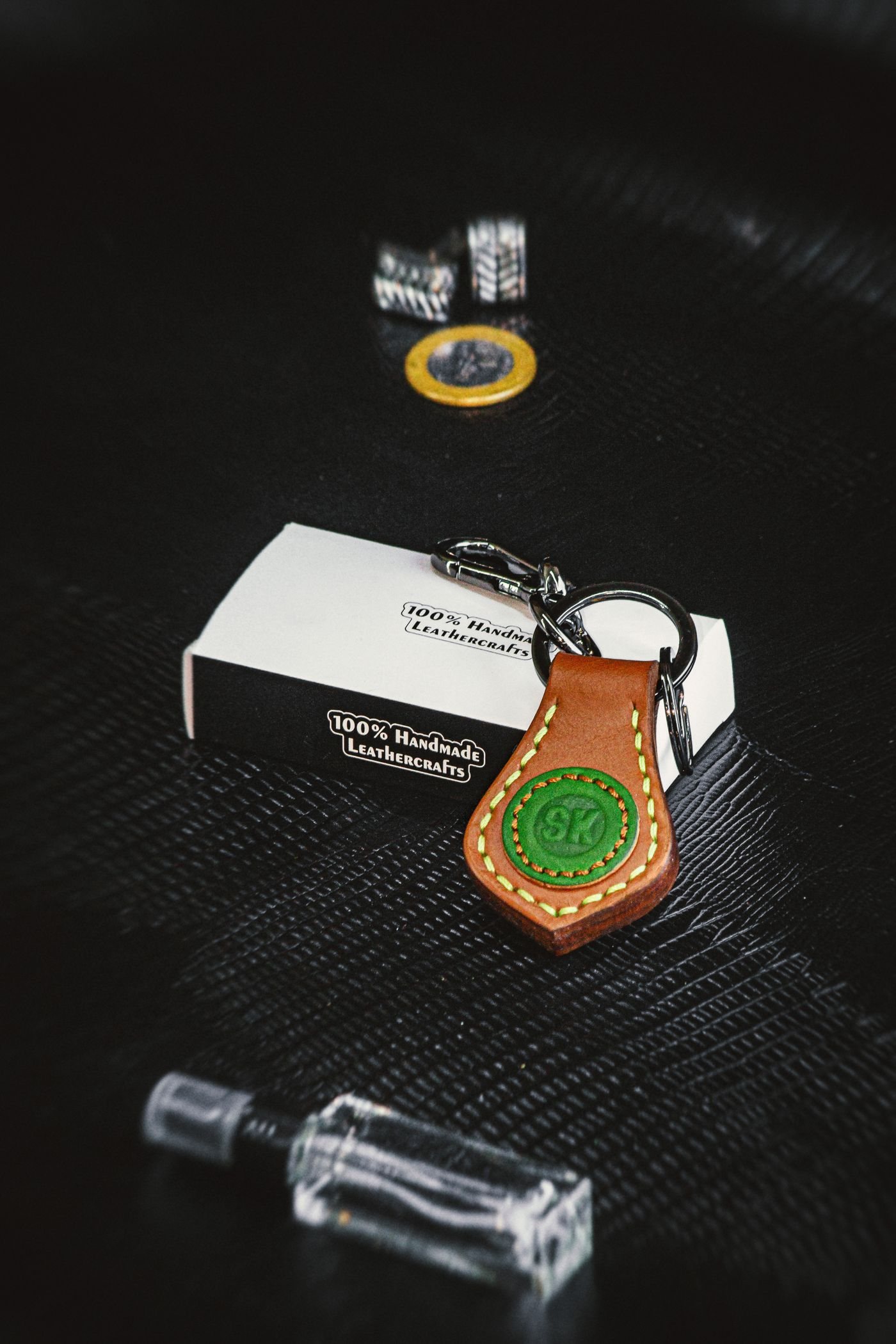
Print the proposed lettering at the keyring's actual size. Look at it in ordinary light rather than enlarged on a screen. Consider the weight, edges and attachment ring, especially if it will join an already bulky set of keys. Avoid putting a full name, address and identifying information together on an item that can be lost. The card can hold the longer story: why that café, bench or station mattered. That leaves the object itself calm and gives the recipient a private explanation they can choose to keep.