A memory jar can become a collection of tiny stories rather than a container of repeated compliments. The best slips usually recall something particular: a journey, a phrase, a small act of kindness or an ordinary afternoon that stayed with someone. A modest number of well-chosen memories is enough. Plan the contribution process and the way the jar will be opened before asking everyone to write.
Give contributors a prompt with a clear boundary
Ask for a moment they shared with the recipient and why they remember it. Useful prompts include 'a time they made an ordinary day better' or 'a small adventure you still talk about'. Let contributors choose their own story rather than making everyone answer several questions. One good memory from each person is often more enjoyable than five rushed entries.
Set a manageable deadline and offer a choice of handwriting a slip or sending text for you to copy. Explain who will see the jar and whether it may be opened at a gathering. That helps people avoid private details, sensitive subjects and jokes that only feel comfortable in a different setting. Participation should be an invitation, not an obligation.
Add enough detail for the future reader
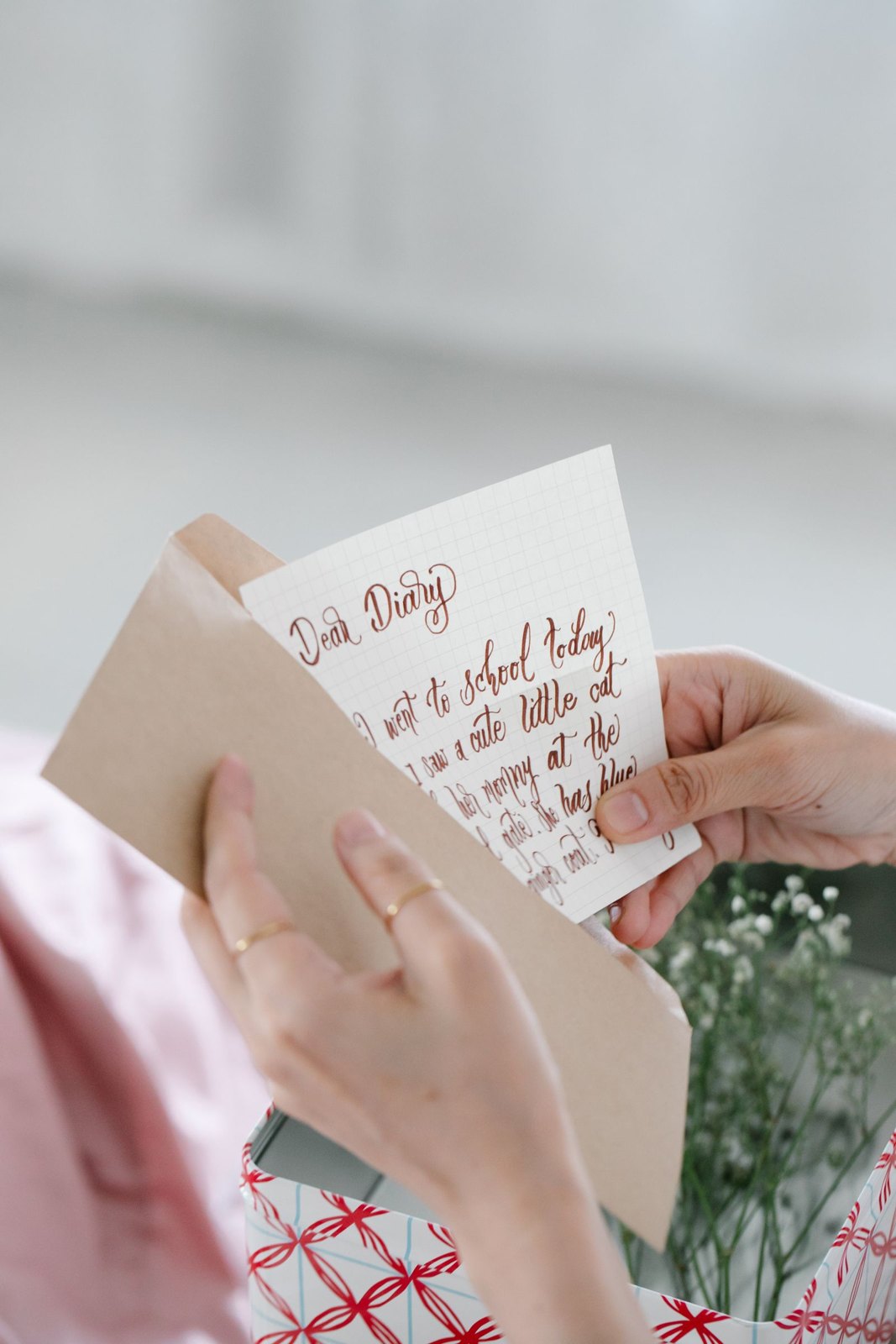
Encourage writers to include a place, approximate time or small identifying detail where useful. 'The picnic when we forgot the plates and used the sandwich boxes' gives the recipient something to picture. A bare line such as 'That amazing day!' may mean little once the immediate context has faded.
Sign each note, unless there is a particular reason for keeping it anonymous. If several contributors share a first name, add a surname or familiar context. When copying another person's words, preserve their voice and check any unclear names with them. Do not turn their recollection into a polished story that claims more than they intended.
Choose a container that is pleasant to use
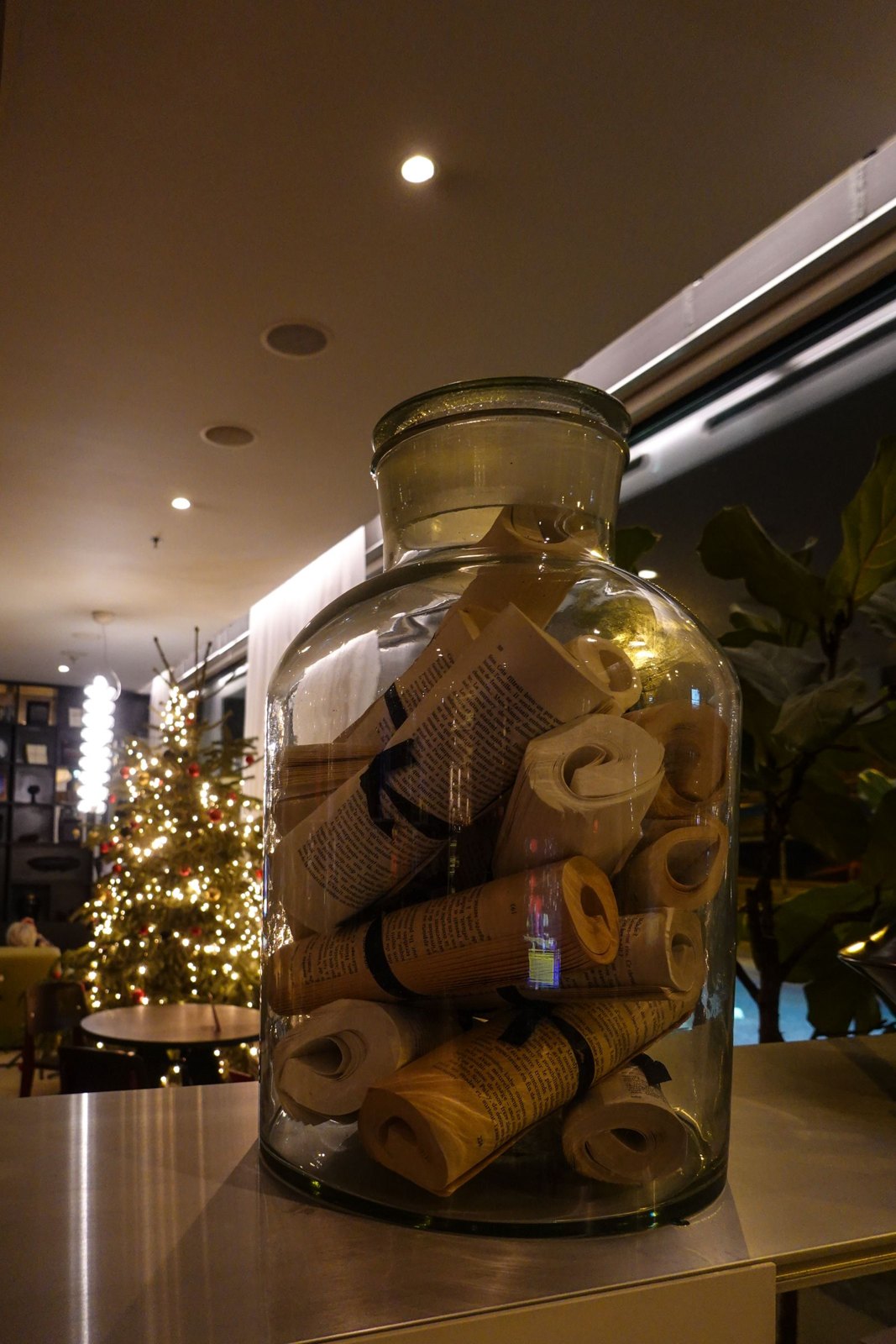
Use a clean, dry jar with a wide enough opening to remove folded notes easily. A box is an equally good option if glass or a tight lid would be inconvenient. Choose paper that is comfortable to write on and cut slips large enough for readable handwriting. Tiny notes may look appealing but can be frustrating to unfold and read.
Fold the slips loosely rather than rolling them into tightly tied scrolls. If colours mark different contributors or themes, explain that simply on a separate card. Decoration can stay on the outside of the container so nothing sheds onto the notes. Leave some empty space; retrieving a story should not require pulling out half the contents.
Let the recipient set the pace
Introduce the gift as something they can open when they wish. Some people will enjoy reading everything at once, while others may prefer a note on an occasional quiet evening. Avoid an instruction to read one every day unless the person would actively enjoy that routine.
Keep a private backup of typed contributions only with contributors' agreement, especially where the stories are personal. You can include a few blank slips for future memories, but they should be an optional addition. The jar is already a complete gift because people have taken time to remember something together.