A family recipe collection can hold two different kinds of value: food someone wants to make and the memories attached to it. Both deserve space. A handwritten note saying 'cook until ready' may be a treasured object, but it does not give a new cook everything they need. Keep the original voice where it matters, then add clear working instructions without pretending that every family version has always been identical.
Begin with a small, meaningful selection
Ask relatives which dishes they would most like to keep making. A manageable first collection might include an everyday soup, a celebration cake and a meal associated with a particular household. Choose recipes people actually want, rather than aiming to represent every branch of the family equally.
Ask permission before reproducing someone else's notes or sharing personal stories. Record who contributed each recipe and whose version it is. Where a dish came from a published book or another creator, identify that source and avoid presenting copied published text as an original family recipe.
Turn remembered quantities into usable instructions
Work through each recipe with its contributor. Ask what they mean by a cup, a spoonful or a medium dish, and note the measurements and equipment they actually use. Record ingredient quantities, preparation steps and the order of cooking. Do not guess missing details simply to make a page look complete.
Where possible, cook from the written draft and note the points that need clarification. Oven settings, timings and yields should reflect the tested version, with visual or texture cues where the contributor can explain them. Mark untested recipes honestly. A gift collection is more useful when uncertainty is visible than when it has been polished away.
Keep memory separate from the method
Give each recipe a short introductory note about its place in the family. A recollection of Sunday lunch or a particular mixing bowl can be enough. Keep the cooking instructions together so the reader does not have to search through a long story with flour on their hands.
Preserve distinctive phrases in a quotation or a photograph of the original page, alongside a readable transcription. If relatives disagree about an ingredient, include clearly labelled variations rather than silently choosing an official version. Those differences can become part of the collection's character.
Design for a kitchen, not only a bookshelf
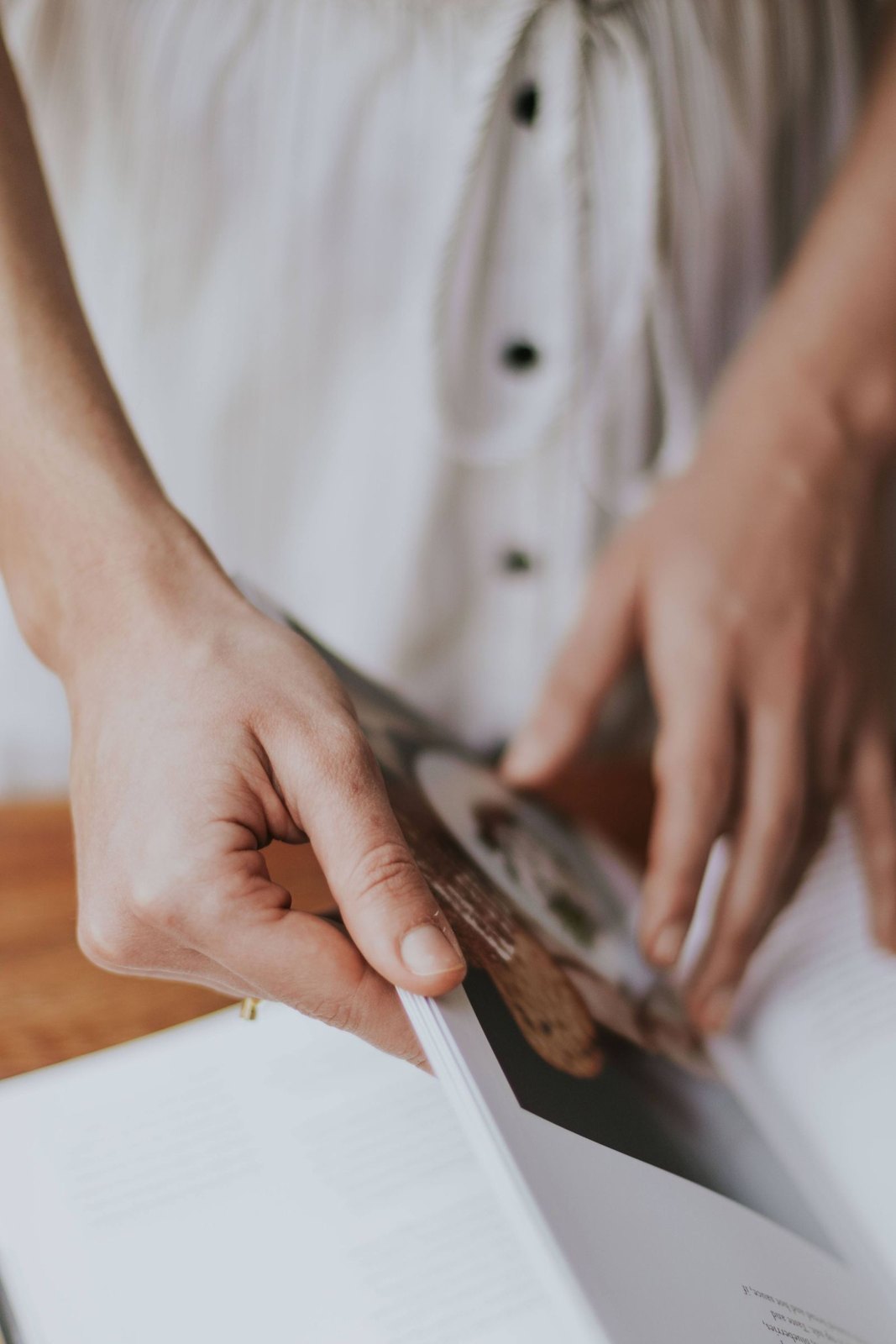
Use clear type, generous spacing and a consistent place for the ingredient list. A binder or lay-flat format can be practical because it stays open and accepts extra pages. Consider where the book will stand and whether the print remains legible at that distance.
Leave room for the recipient's notes. They may use different equipment, adjust quantities or develop their own preferred version. Avoid pre-filling pages with substitutions you have not tried. For any dietary need, the cook should check actual ingredient labels and suitable preparation arrangements rather than relying on a family title such as 'allergy-friendly'.
Keep a copy that can grow
Store a digital master in a straightforward format and give the recipient a copy if they want one. Name files clearly, including the recipe and contributor, so future additions are easy to identify. Keep scans of original notes separate from edited working versions.
Finish with a few blank recipe pages and an invitation to add new favourites. The collection does not need to close the story of the family's cooking. It can preserve what is known now while leaving the next generation space to change what reaches the table.