A class is a gift of time as well as tuition. That can be exciting when it matches an existing interest, but uncomfortable if the recipient hears it as a suggestion that they need a new skill. Start with curiosity they have already expressed. The best arrangement makes it easy to try something, ask questions and decide afterwards whether they want to continue, without having to become good at it for your benefit.
Choose the right starting point
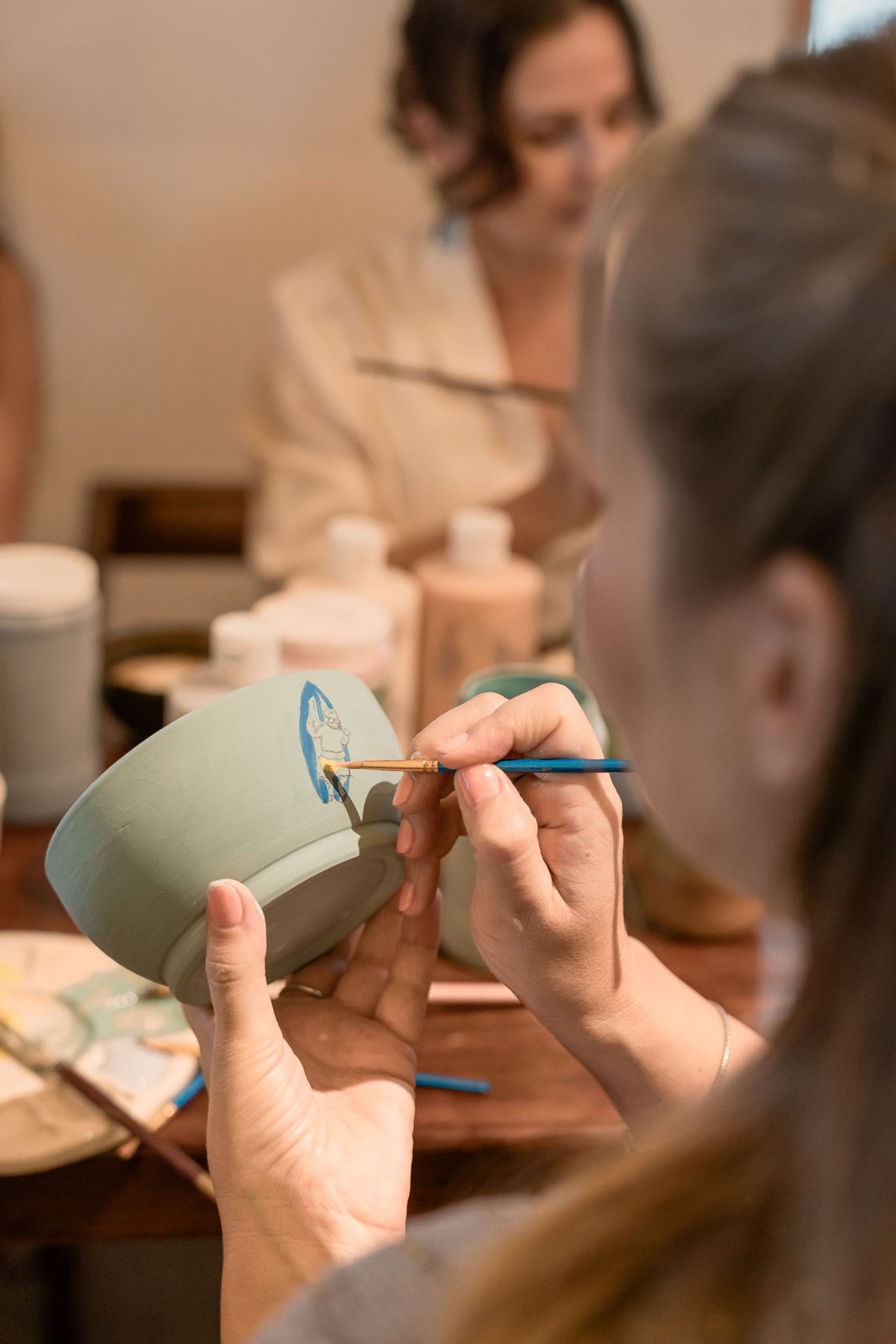
Look for an interest the person has returned to in conversation, rather than one passing remark. Someone who enjoys handmade ceramics may want to try working with clay, but they may equally prefer buying finished pieces. A discreet question about whether they would enjoy making something can save a mistaken assumption.
Read the course description carefully. Check whether it welcomes complete beginners, what the session actually involves and what participants can expect to take home. A demonstration, a guided workshop and a multiweek course offer very different experiences. Choose the format that matches the recipient's attention, confidence and available time.
Avoid gifts framed around correcting a weakness. A cookery workshop can celebrate an interest in a cuisine; it should not arrive with a joke about the recipient's current cooking. Similarly, a writing or photography class can be an invitation to experiment without implying that their existing work needs improvement.
Remove the hidden work before booking
Check the venue, transport, session length and any physical or sensory demands relevant to the person. Ask the provider specific questions where needed, and involve the recipient in decisions about access. Do not assume that a short description such as 'suitable for everyone' answers an individual practical requirement.
Establish what is included in the price. Materials, tools, protective clothing, firing, delivery or follow-up access may be included or charged separately, depending on the activity. Read the actual terms and ask about anything unclear. A seemingly complete experience can be inconvenient if the recipient must buy equipment before attending.
Find out how dates are selected and changed. A flexible voucher is useful only if there are suitable sessions within its validity period. If booking a fixed date, confirm availability with the recipient first. Decide whether a companion is part of the gift, and avoid assuming that the person wants to attend alone.
Present an invitation with an easy exit
Explain what made you think of them: perhaps a conversation about printing fabric or a wish to understand a camera better. Keep the emphasis on enjoyment. A card might say that the experience is theirs to try, with no expectation of producing a finished masterpiece or continuing with further lessons.
Where the gift has not yet been purchased, you can offer to book one of two suitable workshops together. Be honest about that arrangement instead of presenting a homemade certificate as a provider's voucher. If they choose another activity within the agreed budget, treat that as useful information rather than rejection.
After the class, ask how it felt rather than what they achieved. They may discover a new interest or simply enjoy one afternoon. Both are good outcomes. The gift has done its job when it gives the person a comfortable opportunity to explore something on their own terms.