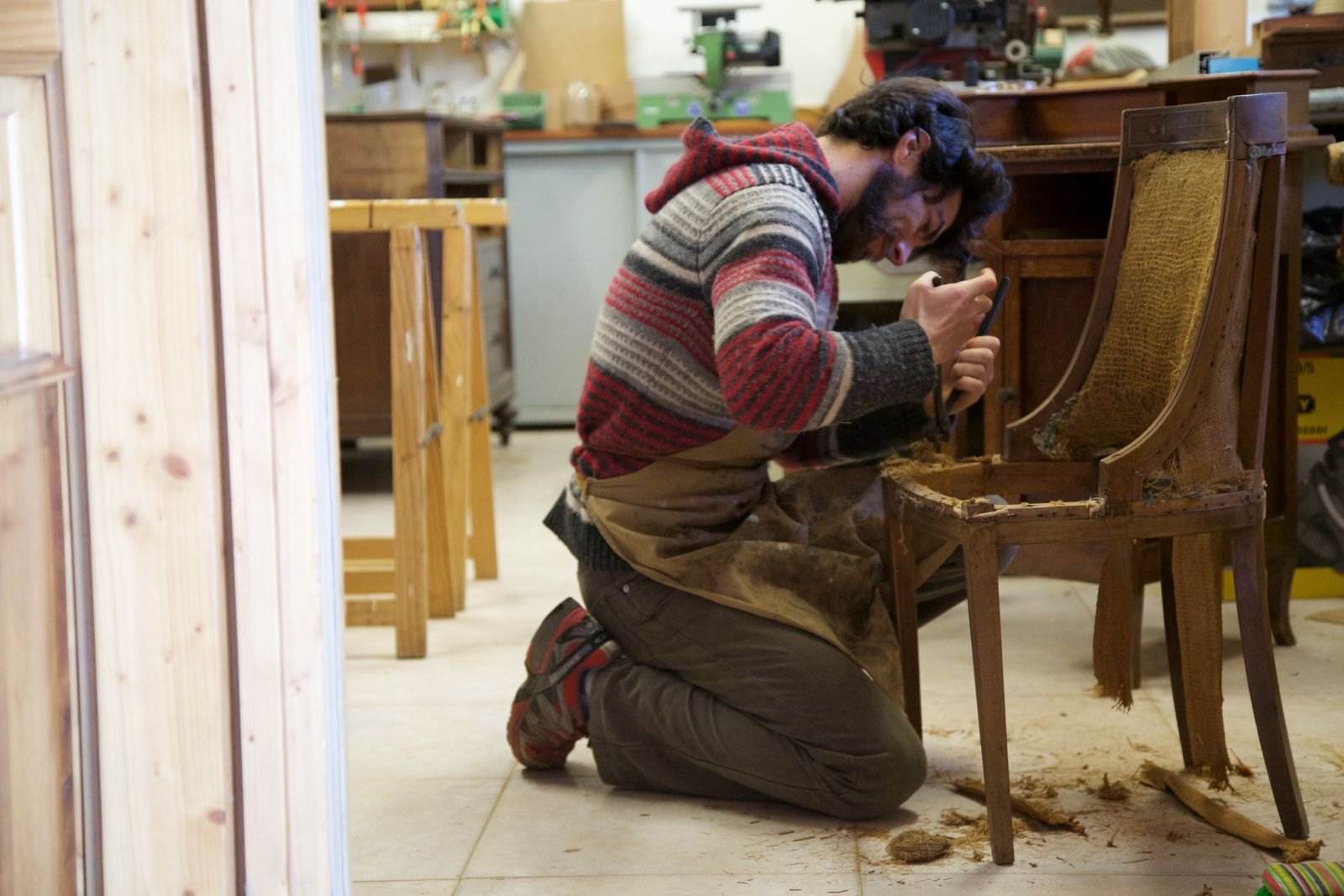
Paying for a repair can be a deeply personal gift when an object matters to someone. It can also go wrong if the giver assumes that signs of age are defects the owner wants removed. A worn chair, stopped watch or damaged picture may hold value beyond its original function. Begin with a conversation about what the person wants to keep, change or simply understand before anyone starts work.
Ask what a good outcome would look like
The owner may want an object usable again, stabilised for display or assessed without any immediate treatment. Those are different aims. Ask which parts matter: a finish, an inscription, a repair made by a relative or the way an object feels in the hand. Do not assume that making it look new is the most generous outcome.
Avoid taking the object away secretly for a surprise restoration. Even well-intentioned work can alter details the owner values, and the process may involve decisions only they can make. The surprise can be an offer to cover an assessment or agreed repair, presented with a note about why you know the object matters.
Set a budget you can comfortably provide and discuss what happens if the estimate exceeds it. A contribution is a legitimate gift. It is better to define that contribution clearly than to create uncertainty about who will pay once the work has begun.
Find the right kind of specialist
Choose expertise suited to the actual object and the desired outcome. A routine functional repair and the conservation of an old or significant object may call for different skills. Icon's guidance on working with a conservator recommends discussing requirements and obtaining an assessment and treatment proposal; its guidance can help shape the questions you ask.
Ask about relevant experience, the proposed approach and what changes will be visible afterwards. For a valuable, historic or especially sentimental object, do not experiment with cleaning products or improvised repairs while waiting for advice. Tell the specialist about previous damage or treatment as accurately as you can.
Clarify transport, insurance arrangements, expected timing and written terms with the provider. Ask whether an estimate requires an in-person inspection and whether there is a charge for that assessment. Keep the owner's contact details in the process where their approval will be needed, rather than making yourself the only route for decisions.
Give the owner control throughout the work
Agree that any substantial change in scope or cost should be discussed before it proceeds. The gift should not rush the owner into treatment because a birthday date is approaching. If an assessment takes longer than expected, a card explaining the offer is a complete way to mark the occasion.
Keep the written proposal and any care or handling advice with the object after it returns. Before-and-after photographs may be useful if the owner agrees, but avoid turning a private possession into public content without permission. The story belongs to them, including the choice not to share it.
Leave room for the assessment to conclude that no treatment is wanted or that the proposed work is impractical. An informed decision can still be valuable. The purpose of the gift is to support the person's relationship with the object, rather than to guarantee a dramatic transformation.