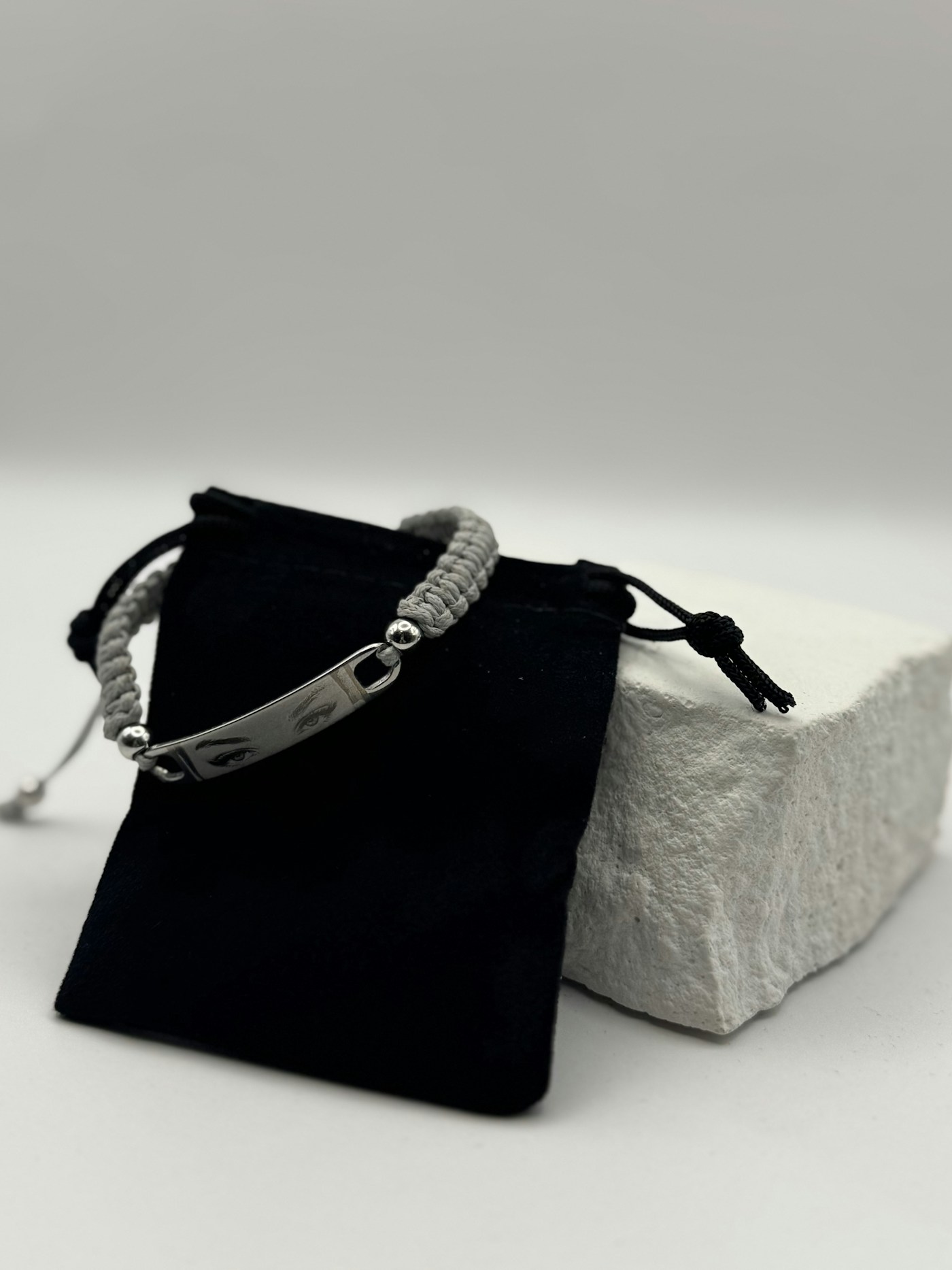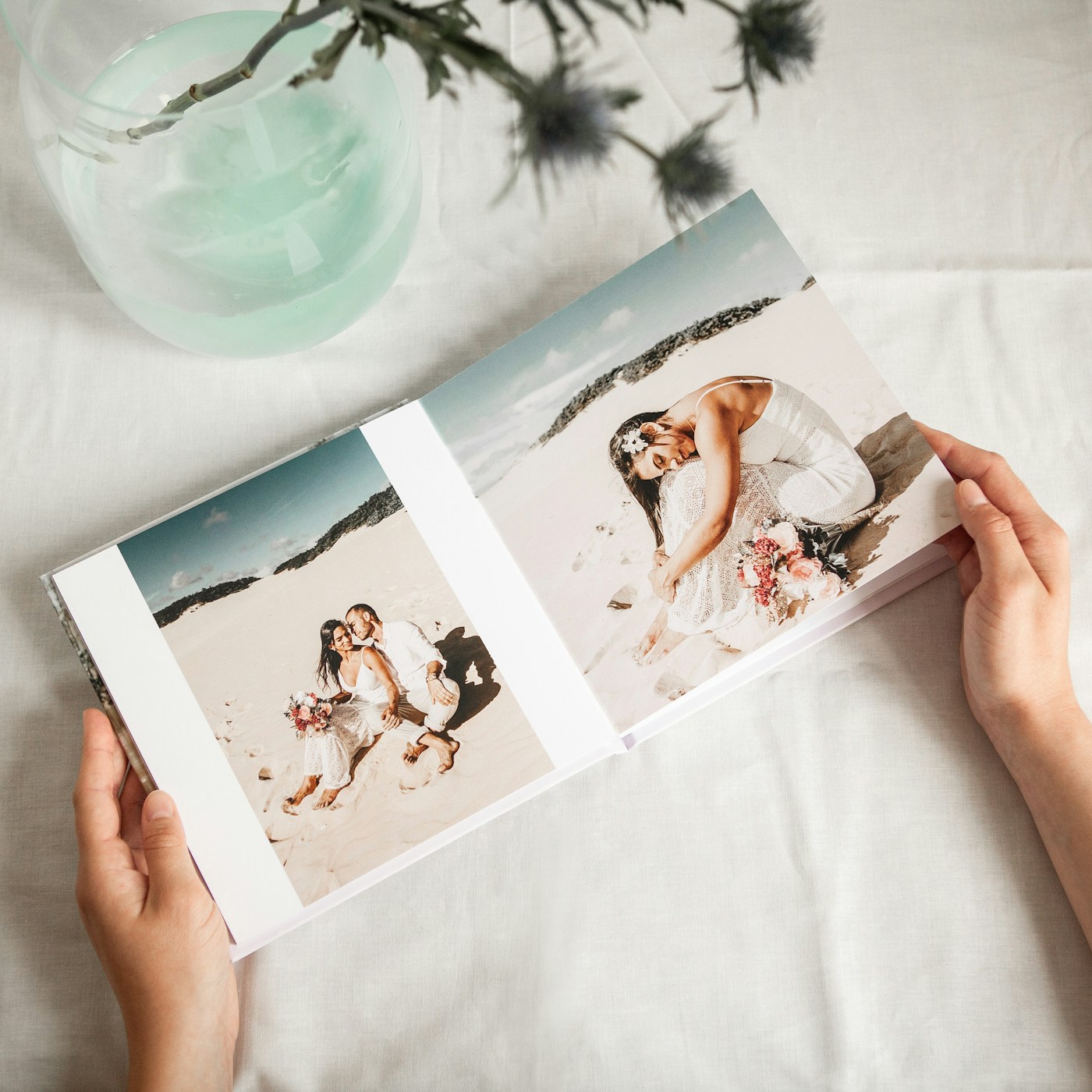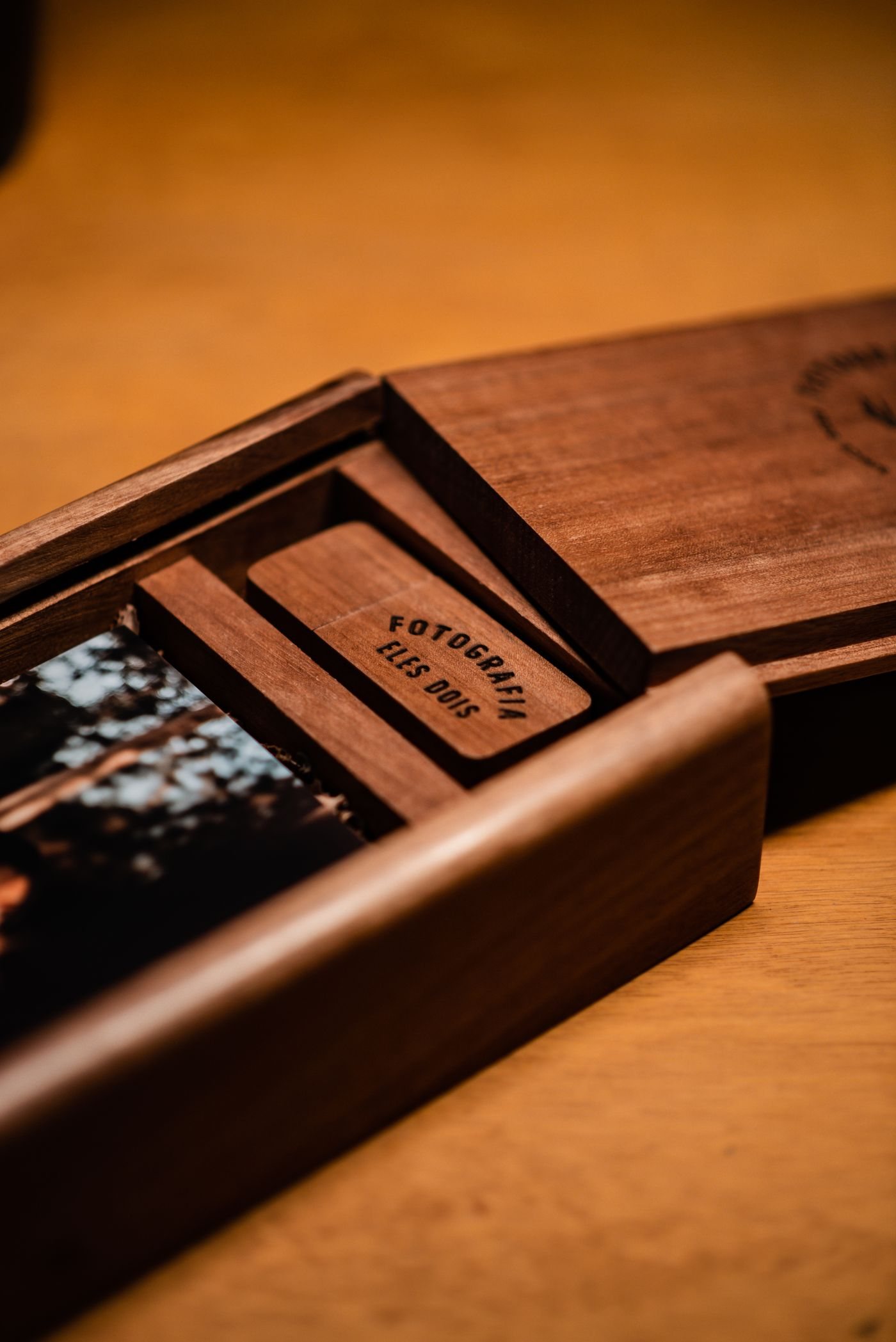
A memory box can bring together letters, photographs and small objects that otherwise remain scattered through drawers. Its value lies in the choices inside, not just a name on the lid. Before choosing a decorative container, decide what it needs to hold and how often it will be opened. A box for copies used in family conversations can be arranged differently from one entrusted with fragile original documents that need more careful storage.
Sort before you choose the dimensions
Lay out the intended contents on a clean surface and group them by type. Note the largest item that should remain flat, then choose a box that accommodates it without folding. Do not fill every corner immediately; a little space makes handling easier and allows future additions. Remove unrelated packaging and duplicates if the owner agrees, but never discard originals on their behalf. A small object may need its own compartment so it does not rub against photographs or leave an impression in a folded letter beneath it.
Protect originals with suitable enclosures
Use storage materials intended for photographs and paper, following conservation guidance for the items involved. Decorative tissue, coloured card and ordinary adhesives are not automatically appropriate for long-term contact. The National Archives offers guidance on caring for photographs and warns against improvised cleaning of damaged material. Keep fragile pieces supported, and use copies for a display layer that will be handled regularly. If an object is particularly valuable or deteriorating, obtain specialist advice instead of trying to repair it as part of a gift-making session.
Add context without writing on the keepsakes
Create separate labels with names, approximate dates and why an item matters. Mark uncertainty openly, such as “Probably summer 1988,” rather than turning a guess into a family fact. A simple contents card can make the collection easier to revisit without becoming an elaborate catalogue. For letters, preserve the envelope when it supplies useful context. Avoid putting private correspondence in a shared box without the relevant person's agreement. The pleasure of a family archive depends on trust as well as the care taken over its presentation.
Personalise the container modestly
A name or short title can help identify the box, but a broad phrase leaves room for its purpose to evolve. Check the interior measurements rather than the outside dimensions, especially when a lid or tray reduces usable depth. Choose a location away from damp, strong light and large changes in temperature, guided by the materials inside. Give the recipient a note explaining the organisation and any copies you made. Leave the final arrangement open to change; the box belongs to their memories, and their preferred order may differ from yours.