A personalisation proof is the last practical chance to catch a wrong date, missing accent or awkward line break before a permanent mark is made. It deserves a slower review than an ordinary shopping confirmation. The key is to separate checking the words from judging the design. Work from an independent record of the correct information, then examine how that information fits the actual object rather than relying on the memory of what you intended to order.
Compare every character with the source
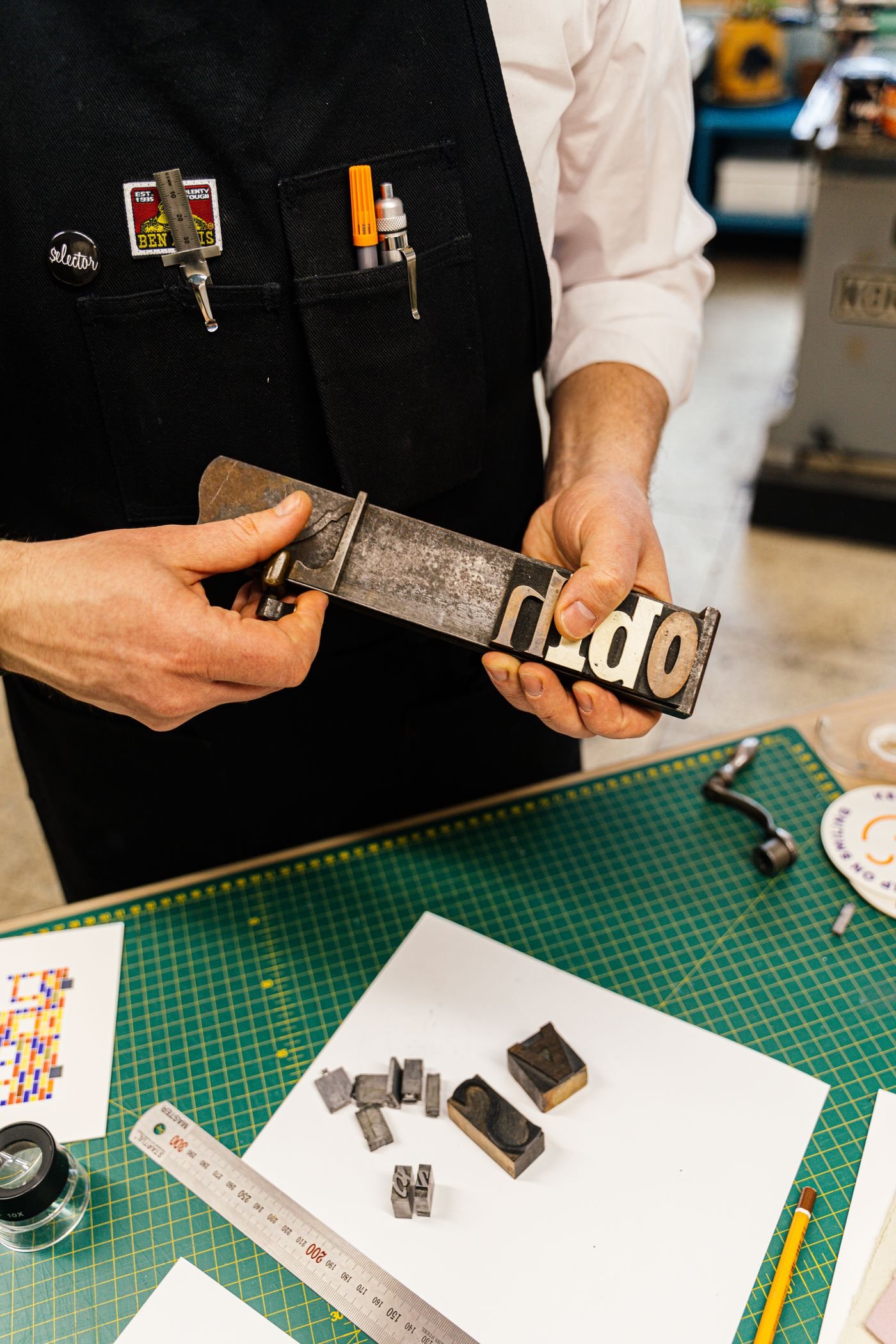
Copy the approved name, date or message into a separate document before reviewing the proof. Compare one character at a time, including punctuation, spacing and capital letters. Familiar names are surprisingly easy to skim past. Confirm preferred names directly rather than assuming a formal version is wanted. For dates, spelling out the month can remove ambiguity if space permits. Read numbers backwards once, or ask another trusted person to check against the same source. A second reader is useful only if they know what is correct; two people admiring the same typo do not provide independent verification.
Check the physical scale
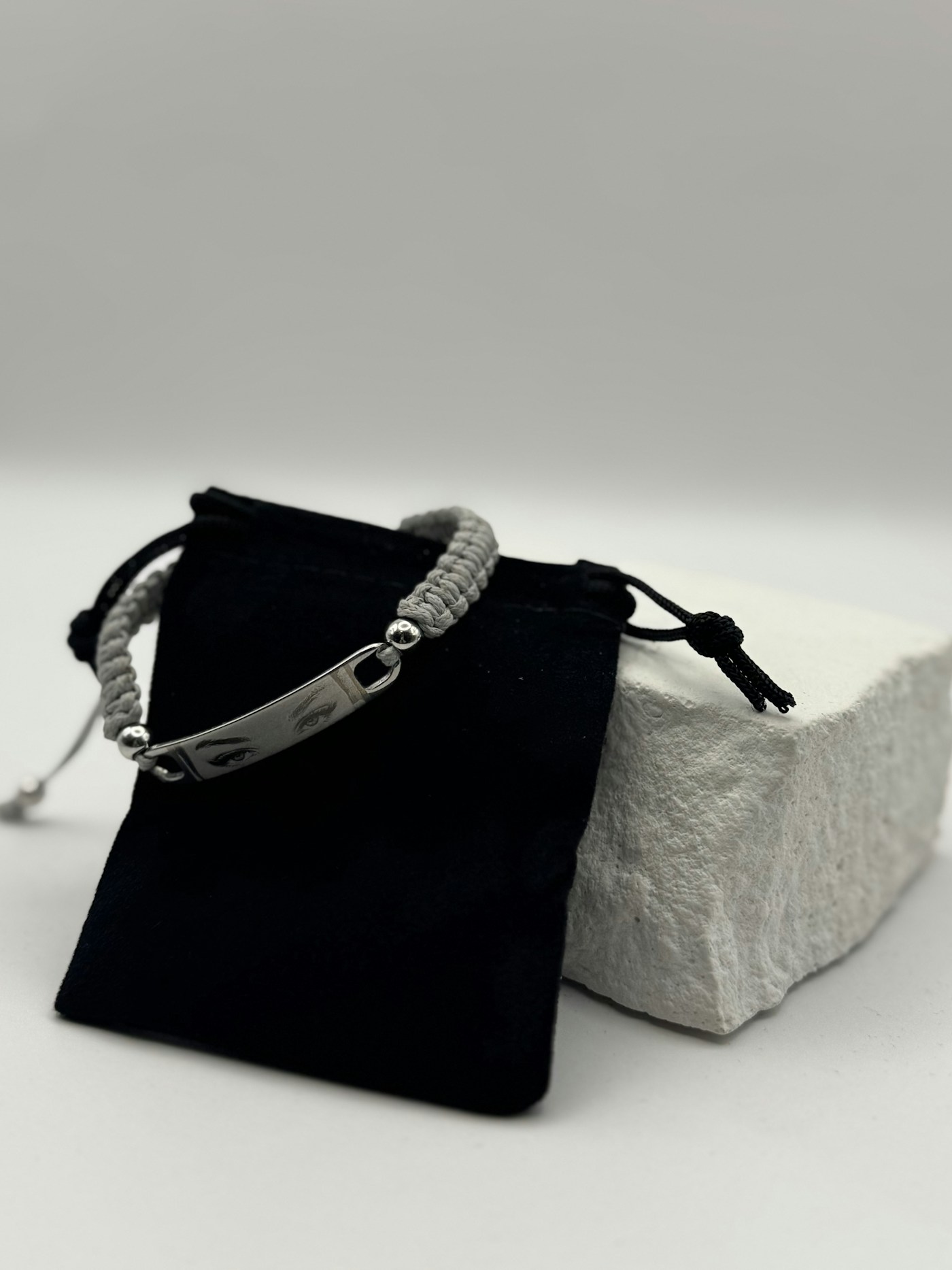
Ask for the finished dimensions and the approximate letter height. Print the proof at that size or mark the area on paper. Look at it from the distance at which the item will normally be used. Small engraving, curved surfaces and fabric folds can change readability. Make sure the design does not approach a seam, handle, clasp or edge in an awkward way. Check both sides where relevant, including the direction a mug design faces or the position of text inside a box. An enlarged flat image is helpful for spelling but may conceal the practical limits of the object.
Understand what the proof cannot promise
A screen cannot guarantee the exact appearance of wood grain, stone colour, thread texture or a metallic finish. Ask which variations are normal and request photographs of comparable finished work if the effect is important. Confirm whether the proof includes all decoration or only the personalised area. If an image is being cropped, check the crop separately from the lettering. Keep technical questions clear and specific, such as whether a faint line will survive engraving, instead of simply asking whether it will look good. The maker needs to know which uncertainty you are trying to resolve.
Approve one final version
Send changes together and identify the version being discussed. Once an amended proof arrives, check the whole design again rather than only the altered word; an edit may shift line breaks elsewhere. State approval clearly only when everything is correct. Save the final proof and the agreed text with the order record, including any delivery date discussed. If time is short, reduce the design's complexity instead of skipping the check. A simpler accurate inscription is a better gift than a hurried elaborate one that permanently records the wrong detail.