Personalised stationery is most appealing when it reflects how someone writes rather than how a boxed set looks on a shelf. A person who sends short thank-you notes may need cards and envelopes; a regular correspondent may prefer full sheets with plenty of unprinted space. Before choosing a monogram, notice the size, paper colour and pens they already use. The personal detail should support the correspondence, leaving the writer's own words at the centre.
Choose a useful combination of formats
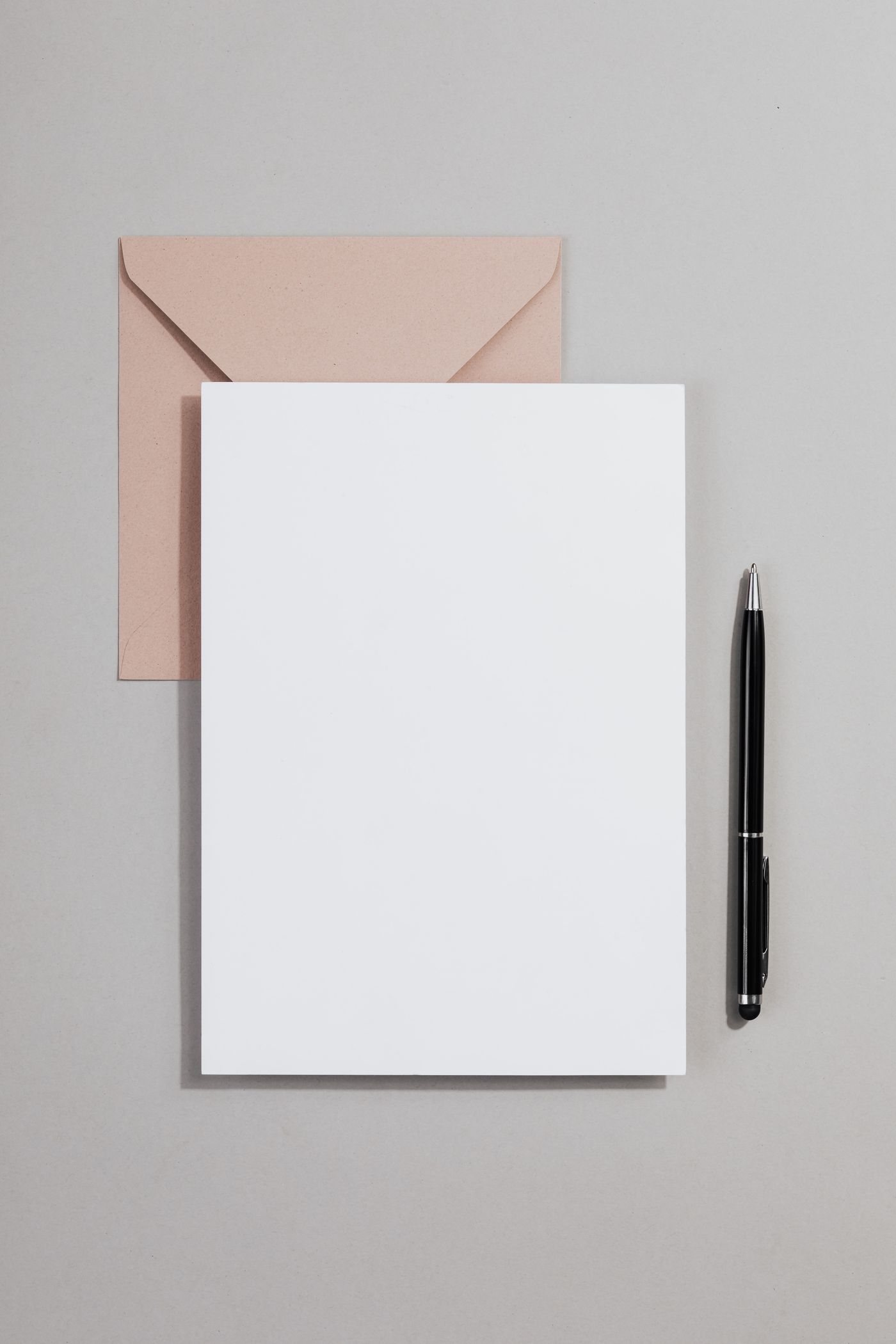
A mixed set can be helpful if each part has a purpose. Flat cards suit brief messages, folded cards allow a more private note, and writing sheets give a longer letter room to develop. Check that the envelope size matches every included format and whether extra envelopes are available.
A beautiful set becomes inconvenient if the owner must find replacements after one addressing mistake. For someone who writes with a fountain pen, ask about the paper's suitability or obtain a sample. Paper weight alone does not tell you how a particular ink will behave. Avoid heavily textured surfaces if they make the recipient's preferred pen uncomfortable to use.
Keep the printed information deliberate
A name or initial can make the stationery distinctive without occupying much writing space. An address may be useful for someone settled in one home, but it can date the entire set after a move and may disclose more than they want on a casual note. Ask before including telephone numbers, email addresses or professional titles.
Use the name they actually sign, including accents and preferred capitalisation. Request a proof at full size to judge margins and letter spacing. Pale printing can look refined on a screen and become difficult to see on cream paper. A small clear mark usually leaves more freedom than a large decorative header that dictates the tone of every letter.
Make the set welcoming to use
Consider an easy-opening folder or modest storage box rather than elaborate packaging the writer has to keep. A rigid backing can help protect loose sheets, but it should not make the set awkward to carry. If adding a pen, choose a familiar type and include the refill information; an unfamiliar writing instrument can distract from the main gift.
Do not write the gift message across the first personalised sheet unless you know that is welcome. A separate card keeps the full set available for the recipient. You can explain the choice with a specific observation, such as enjoying the letters they send after holidays, without creating an expectation that they must immediately write one to you.