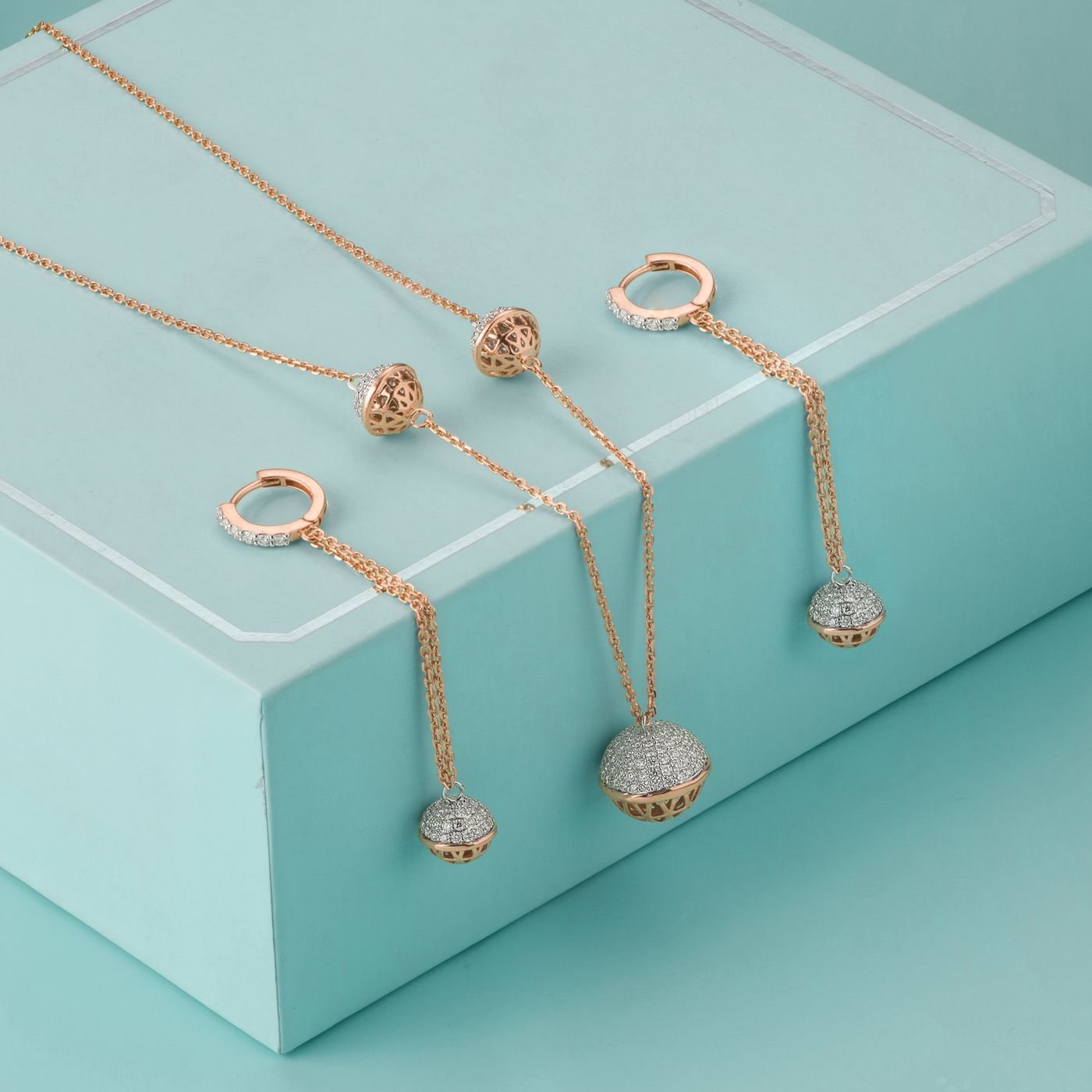
Two pieces of jewellery can look similar in a photograph while being made quite differently. Sterling silver describes a silver alloy; silver plating describes a surface layer over another material. Neither phrase tells you everything about construction, fit or how the recipient will use the piece. Begin by reading the full material description, then consider care and wear. A clear, suitable specification is more useful than a vague promise of luxury, particularly when the gift is intended to be worn often.
Read beyond the colour
Sterling silver is commonly identified by the 925 fineness standard, meaning 925 parts silver per thousand. A silver-coloured piece is not necessarily sterling, and a simple number alone is not the same as a complete UK hallmark. The London Assay Office explains the different marks and what they indicate.
Plated jewellery has a coating over a base material. Ask what that base is and what the maker says about the finish. Some sterling pieces also have a surface coating, so the choice is not always a simple division between coated and uncoated jewellery. Read the precise listing rather than relying on a category name.
Match expectations to how it will be worn
For a piece worn occasionally, appearance and comfortable fit may be the main priorities. For daily jewellery, fastening quality, chain construction and clear maintenance guidance deserve more attention. Do not promise that a finish will remain unchanged indefinitely; use and care affect how a piece looks over time.
Ask whether the recipient has known material sensitivities and follow their preferences. Neither a colour nor a broad label such as precious metal guarantees that every component will suit every person. Clasps, posts and other fittings matter too. If the seller cannot identify the materials, choose a better-described piece.
Think about engraving and future care
An inscription may be possible on one construction but unsuitable on another. Ask the maker before ordering engraving, especially where a coating could be affected. Check the available area, letter size and whether the proposed process changes the surface finish.
Keep the maker’s cleaning instructions with the gift. Advice for one metal or finish should not automatically be applied to another. Abrasive polishing can be inappropriate for some coatings, so a generic care kit may be less helpful than a suitable storage pouch and accurate product information.
Compare the total cost, including any engraving and delivery, with an unpersonalised alternative. A simpler piece with a secure fastening and transparent specification can be a stronger gift than a more ornate item with unclear materials. The recipient should understand what they have without needing to investigate it themselves.