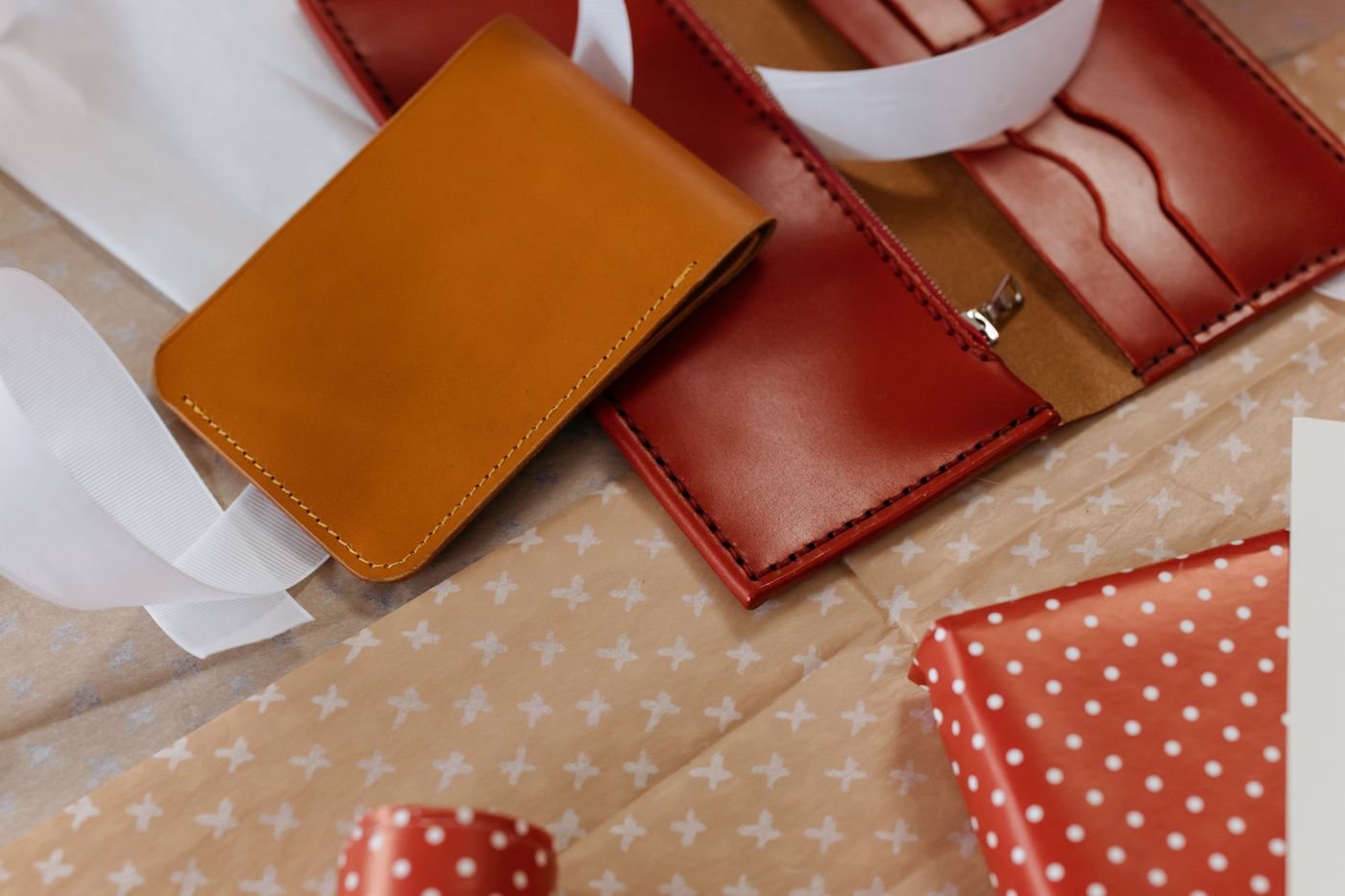
A gift addressed to a couple can quietly become a gift for the person you know best. The enthusiastic cook receives cookware while the other partner receives the obligation to admire it. To avoid this, begin with something they actually do together, not merely something in their shared home. A present can support a common routine, allow separate choices within one plan or celebrate a memory they both recognise. It need not match their possessions or carry both names.
Find the overlap in their everyday lives
Consider the activities that already happen: a weekend breakfast, a regular walk, a film night or visits to a particular place. A gift linked to an existing routine is easier to share than a new hobby that requires enthusiasm from both people. Ask a neutral question if you are uncertain rather than using stereotypes about couples.
For food, establish both people's preferences and restrictions. A hamper with one person's favourite wine and the other's unwanted chocolates is not balanced just because it contains several items. Two small complementary choices can be more considerate than a large item only one will enjoy.
Avoid assigning space in their home
Artwork, bedding and large kitchen objects affect a shared environment. Unless the couple has chosen the item, these gifts can force an awkward negotiation about where it belongs. A photograph from a mutual occasion is more flexible when given unframed, or with a choice of frame, than as a large finished wall piece.
Personalisation also needs checking. Confirm surnames, preferred names and how the couple refers to itself; marriage does not tell you which names either person uses. Avoid wording that assumes future children, a particular household role or a relationship milestone they have not shared with you.
Make a joint experience fair to use
An outing should cover two people on comparable terms. Check whether a voucher includes both tickets, whether one person must pay a supplement and whether booking is possible on days they are free. Where their interests differ, a flexible meal or travel contribution may work better than an activity selected for one partner.
Offer a way to change the plan without embarrassment. You could say that you thought a local afternoon together might be enjoyable and would be happy to choose the date with them. This gives the gift a clear intention without turning the suggestion into a fixed instruction.
Address the card to both people and include a memory or observation involving them both. At the handover, avoid explaining the gift entirely to the partner you know better. A shared present feels shared partly because of the way it is given.