A keen baker with a full kitchen probably does not need another generic set of silicone utensils. Their preferred tin may be scratched but reliable, and the unusual tool in a gift catalogue may have no place in the recipes they enjoy. Ask what they have been baking recently. The answer can lead towards a carefully chosen ingredient, a replacement for an exact item or an opportunity to learn something they have already mentioned.
Follow the bake rather than the trend
Bread, pastry, decorated cakes and biscuits use overlapping but different equipment. A gift suited to one can be irrelevant to another. Listen for a specific challenge or next project, then ask which item would actually help. The aim is to support their interest, not to decide that they should begin a fashionable technique.
If they name a tool, record its dimensions, material and intended use. A cake tin that looks similar can produce a different result if its size or construction differs. For an accessory to a mixer or other appliance, match the precise model through the manufacturer’s information before buying.
Treat ingredients as choices, not generic luxuries
An ingredient gift works when the baker has a use for it and enough time to enjoy it. Ask about preferred chocolate type, flour or flavouring rather than assuming that the most expensive version is the most suitable. Buy a quantity that fits their ordinary recipes and storage.
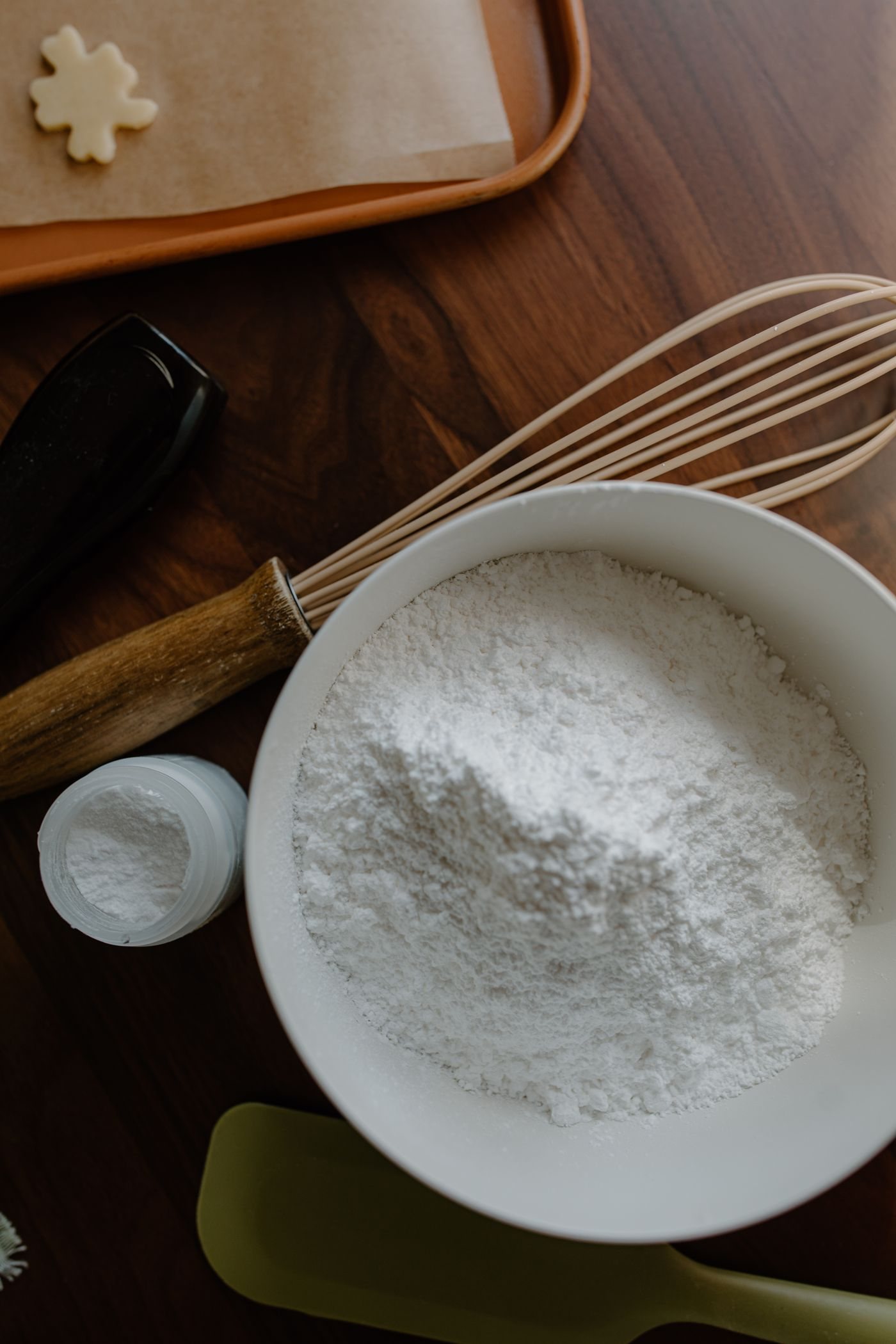
Keep the original packaging, ingredients and date information intact. Do not decant unfamiliar powders or flavourings into pretty unlabelled jars. For a mixed food box, ask about dietary needs and check every item’s label. A small selection they requested is more useful than a large assortment chosen only for visual variety.
Avoid making more washing-up
Display stands, storage boxes and serving pieces occupy space between baking sessions. Before choosing one, ask whether there is a real gap. Check cupboard dimensions, how parts separate and the maker’s cleaning instructions. A gift that needs special care should offer enough benefit to justify it.
For a replacement apron, cloth or oven accessory, choose around the recipient’s actual preferences. Fit, pocket placement and laundering can matter more than an embroidered slogan. Do not assume a decorative textile is suitable for handling hot items; use it only for its stated purpose and follow the product guidance.
Offer a next step with their agreement
A workshop can be appealing when its subject and level fit the baker’s interests. Discuss the date, travel and what is included before booking. An advanced enthusiast may not enjoy a beginner session, while a specialist class can be frustrating without the expected experience.
You can also give something connected to sharing the results: a planned afternoon tea, a suitable carrier they have requested or a notebook for their own recipe adjustments. Add a note about a bake you remember enjoying. That recognises their skill without turning the gift into an expectation that they will bake for you again.