A tea enthusiast may already have a favourite mug, a carefully chosen pot and strong views on which tea belongs at breakfast. Another slogan-covered cup can miss all of that. A better gift starts with the tea itself and the small ritual around it. Find out what they enjoy, whether they use leaves or bags and how much space they want to give to new equipment before choosing an attractive box.
Ask what is in regular rotation
Knowing that someone likes tea is only a beginning. They may prefer a familiar strong breakfast blend, delicate green tea, a particular herbal infusion or a mixture that changes through the day. Ask for a name or a photograph of a packet they enjoy instead of guessing from the colour of the tin.
A small tasting selection can be welcome if trying new varieties is part of the pleasure. Keep it focused rather than assembling many unrelated flavours. Describe it as an invitation to explore, not a collection they are expected to finish. Avoid supposed health benefits as a reason for the gift; taste and enjoyment are sufficient.
Choose preparation tools only when they fit
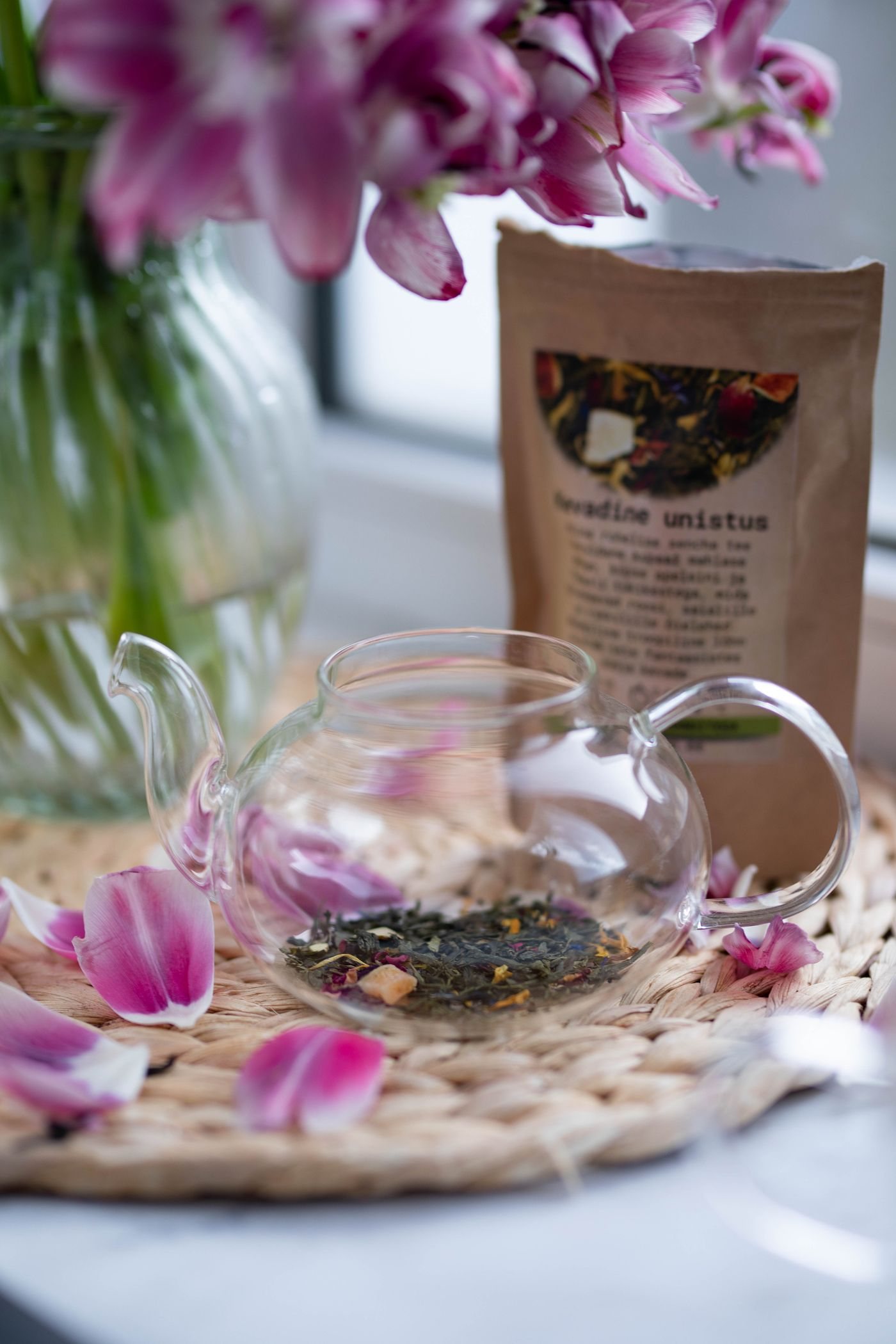
Loose-leaf tea needs a suitable way to brew it, but the person may already have a system. If considering an infuser, check its dimensions, the cup or pot it will fit and how easily it can be emptied and cleaned. A charming shape is less appealing if the ordinary tasks are awkward.
A teapot requires more information than its colour: capacity, lid fit, pouring and storage all matter. Ask whether they usually make one cup or several. Follow the maker’s instructions about heat sources and cleaning; appearance does not establish that a ceramic or glass piece can be used in a particular way.
Give the tea its own information
Keep each tea in labelled packaging with ingredients and preparation guidance. Different products may call for different brewing approaches, so avoid writing one temperature and steeping time on a card for the whole selection. Let the supplier’s instructions provide a starting point that the recipient can adjust to taste.
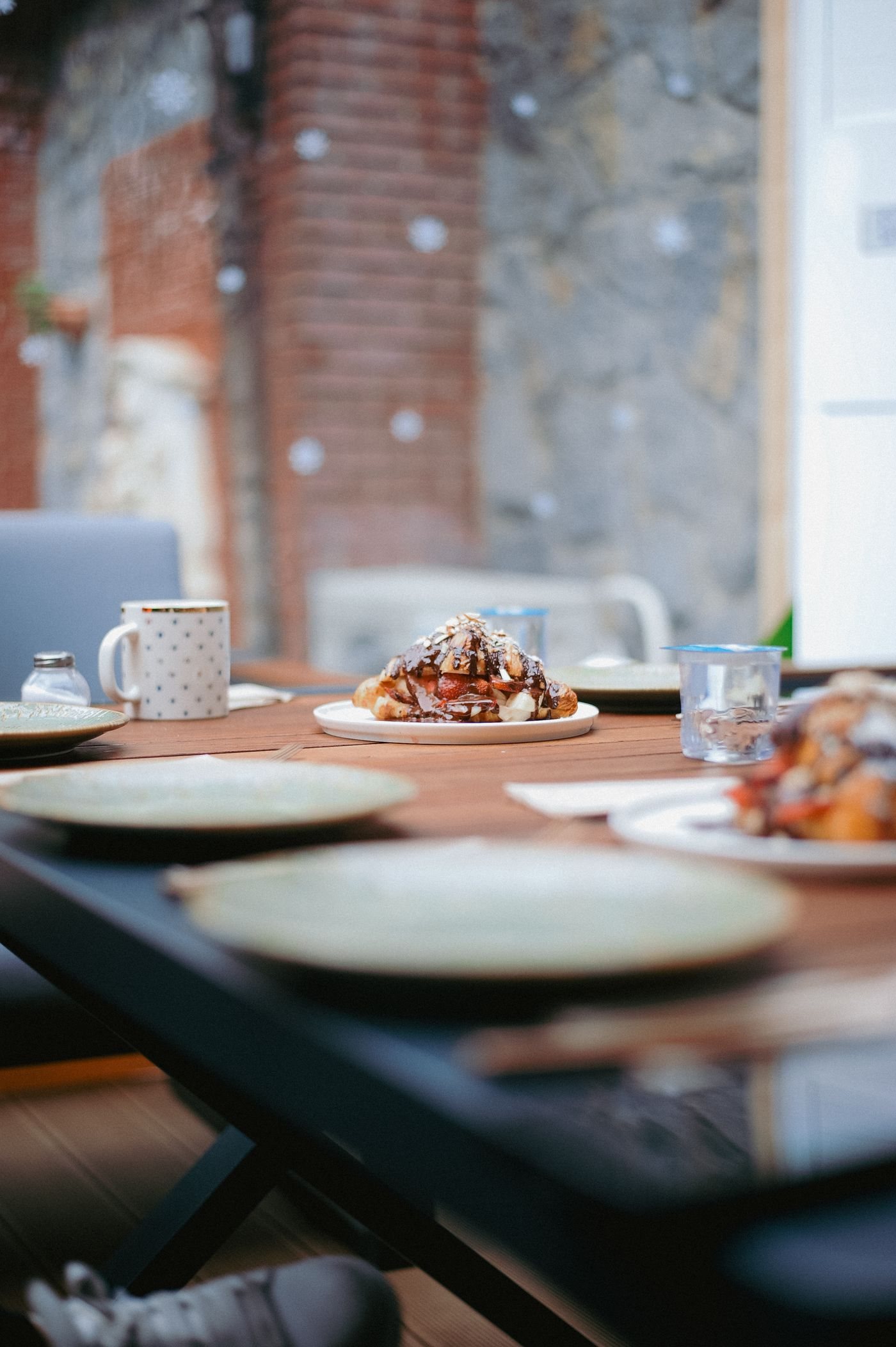
If you add biscuits or another food, check preferences and preserve ingredient information. Strongly scented extras can be unwelcome beside tea, and a large hamper may contain more filler than pleasure. One chosen tea with a compatible treat can feel more considered than a crowded box with no clear connection.
Think about the pause it creates
A tea-room visit or an afternoon together can be the most personal part of the gift. Discuss a convenient date and check what the booking includes. Do not assume every tea enthusiast wants a formal afternoon tea; a quiet kitchen conversation may be closer to their taste.
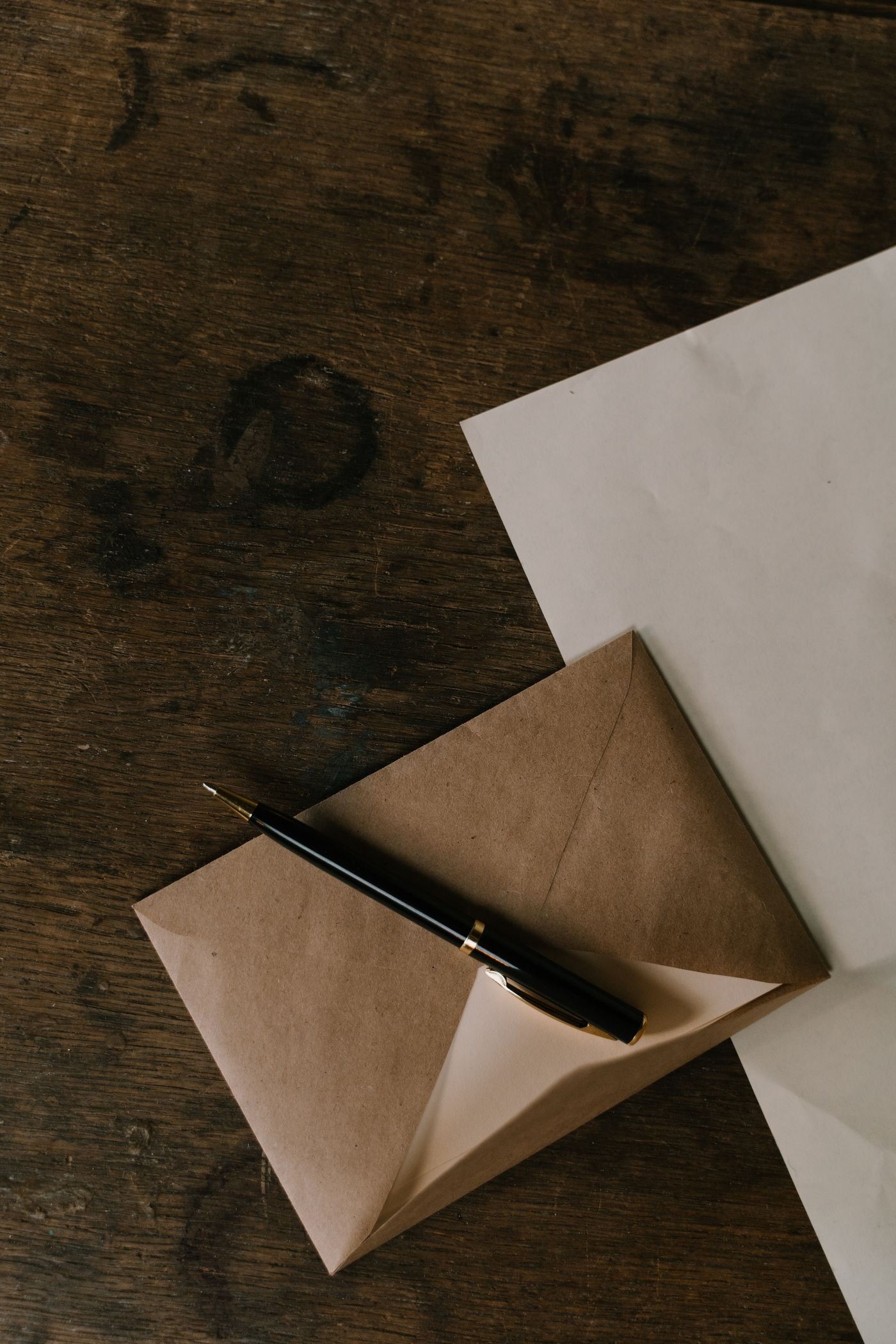
For something tangible, a simple note can record why you chose the tea or recall a shared afternoon. Keep any optional accessory genuinely optional. If the recipient prefers their old mug, that is not a rejection of the gift. The aim is to add pleasure to an existing ritual, not replace it with your own version.