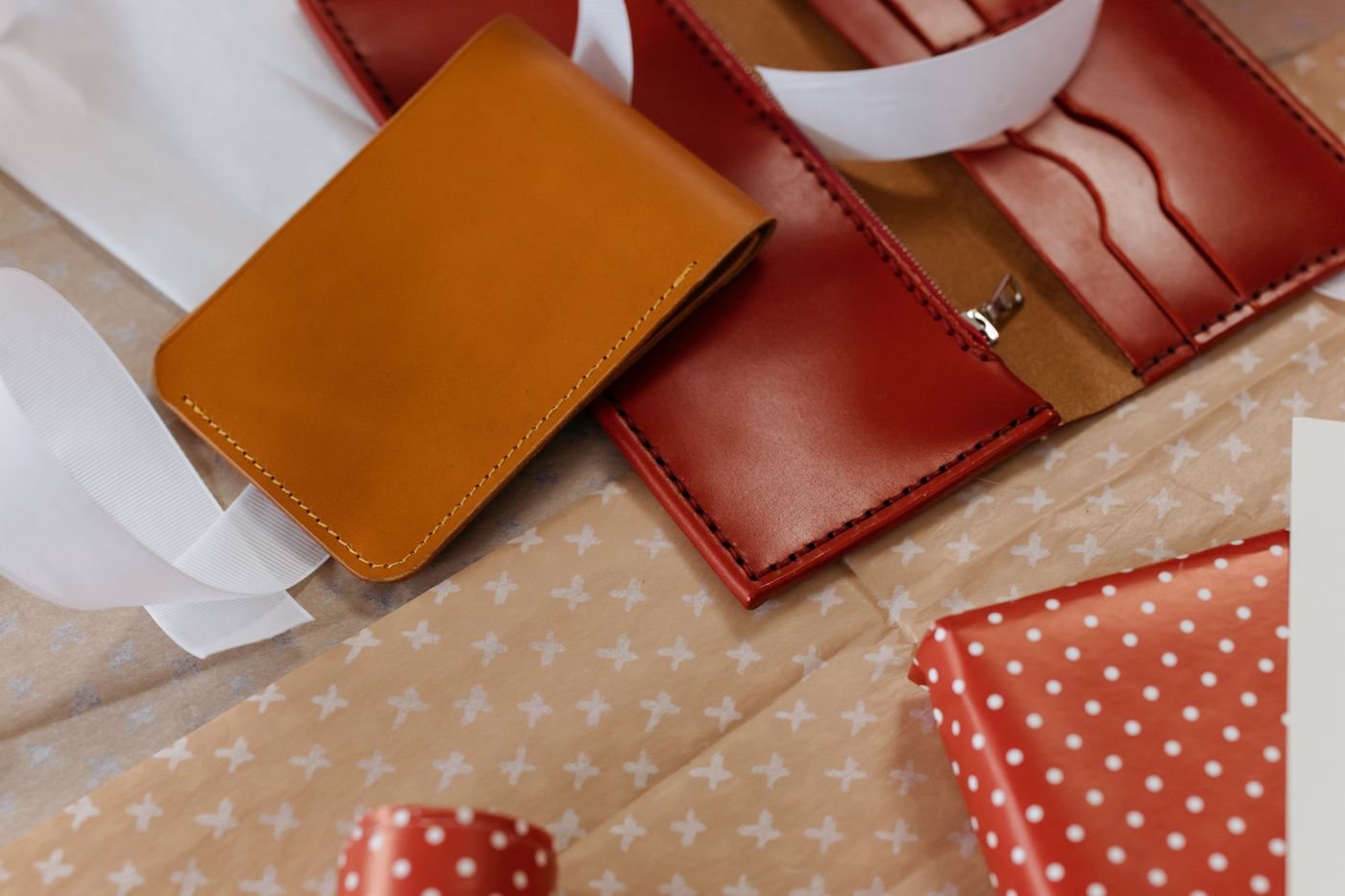
When you rarely see a friend, it is easy to shop for the person they were when you last spent every weekend together. Their taste, home and routines may have shifted, even though the affection has not. A good gift can acknowledge a shared history while leaving space for their present life. Think of it as a warm point of contact, not a test of how accurately you can reconstruct every detail from social media.
Start with a recent conversation
Send a normal message before beginning your search. Ask what they have been enjoying lately or how a recent move has worked out. This is more useful than trying to infer preferences from a few public photographs, which may show special occasions rather than everyday habits.
If contact has been sparse, stay light. A small book connected to something you both remember or a postcard from a familiar place may be easier to receive than an expensive object. Avoid attaching a demand for an immediate visit or a long explanation of why you have drifted apart.
Choose a memory they can recognise privately
Use a detail that belongs to the friendship: a town you explored, an old shared hobby or a line from a conversation you both still mention. Check the context before printing a photograph, particularly if it includes other people or an event the recipient may not wish to display.
You can put the memory in the card and keep the actual gift flexible. A blank notebook accompanied by a story about your old travel plans does not require the friend to keep a dated picture on a shelf. Private meaning can be just as strong as visible personalisation.
Make distance part of the planning
Confirm the current postal address discreetly and ask whether they will be away. A surprise loses some of its charm if it becomes a parcel collection problem. If the friend lives abroad, check the destination’s rules and delivery arrangements before choosing food, plants or other restricted items.
For an experience, let the friend choose a suitable date before you buy fixed tickets. A shared online activity or a future meal can work, but make the scope clear. Do not promise a weekend visit that your own diary cannot support. Reliability gives a modest gift more meaning.
Leave the reply optional
Write the note so it can be enjoyed without an obligation to respond immediately. “This reminded me of our rainy day in York” is a complete reason for sending something. You do not need to turn the parcel into a request to resume a particular level of contact.
Keep any practical redemption details separate from the personal message. If you send a digital voucher, check it is usable where the friend lives and in the relevant currency. An ordinary letter is a better choice than a complicated gift that makes your friend solve delivery or payment questions.