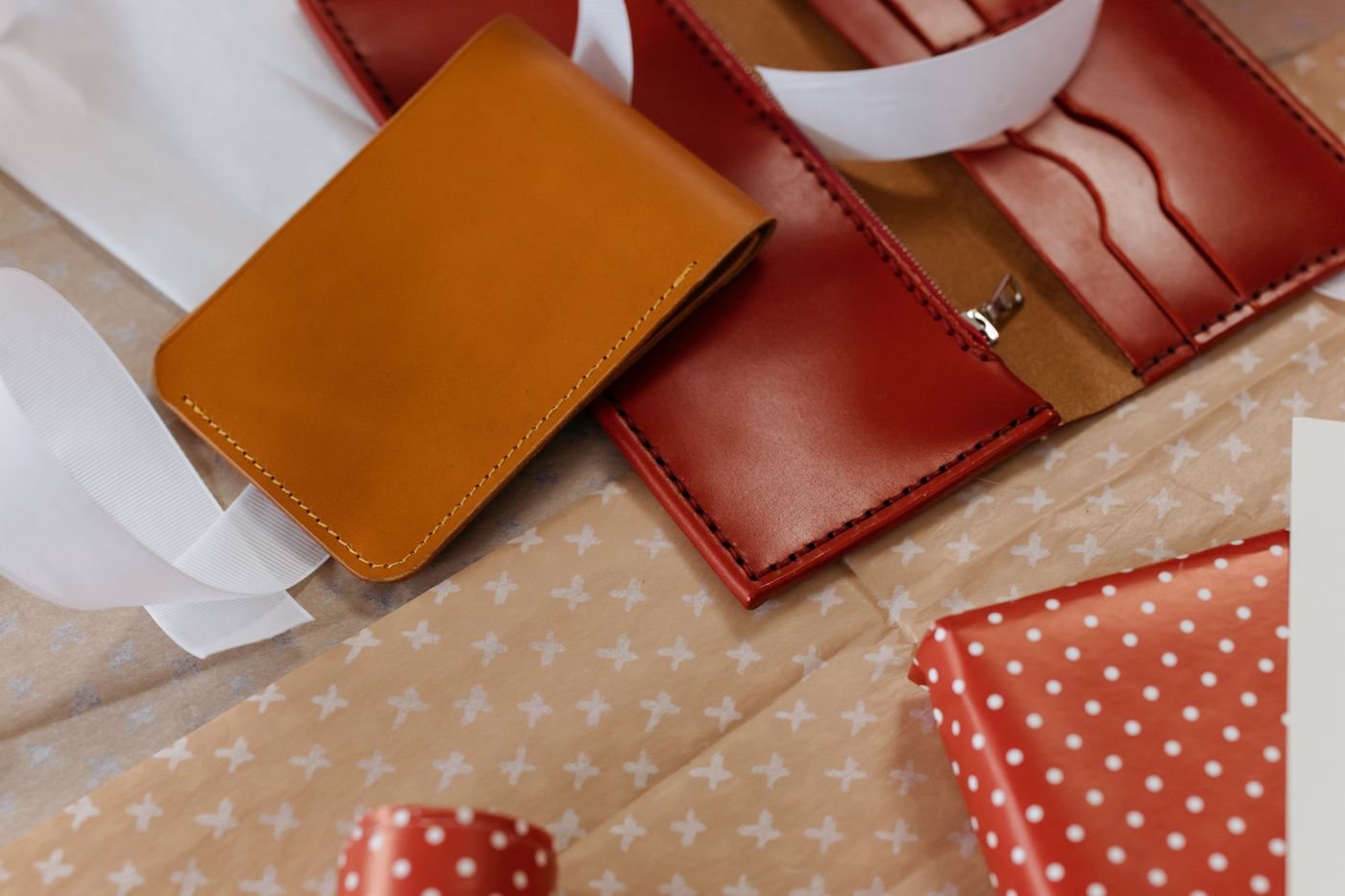
Someone who takes in parcels, waters a plant or lends a hand during a move may have made your week much easier. A thank-you gift can recognise that kindness, but a very expensive one can make an ordinary neighbourly favour feel awkward. Match the gesture to the help and to the relationship you actually have. A specific note and a small, suitable present are often enough to keep the exchange warm and comfortable.
Name the help you appreciated
Be clear about what made a difference. “Thank you for collecting the parcels while we were away” is easier to receive than a dramatic statement about owing an enormous debt. If the help prevented a particular problem, mention that briefly without turning the note into a long account of your difficulties.
Avoid giving a gift in place of reimbursing an agreed expense. If your neighbour bought something for you, settle that separately and plainly. The thank-you should remain a gesture of appreciation rather than an unclear substitute for money they expected to receive back.
Choose within what you know
A favourite local food, a small bunch of flowers or a useful item connected to an interest can work when you know the preference. If you do not know them well, choose a simple card first. Alcohol, scented products and homemade food all involve assumptions that may not be justified by a few conversations on the doorstep.
If you bake something, ask whether food would be welcome and provide ingredient information. An unopened, labelled product is often easier for someone to assess than an unlabelled assortment. Keep the quantity modest so a kind gesture does not become an obligation to store or consume a large amount.
Make the delivery undemanding
Offer the present at a convenient time and keep the handover brief unless the neighbour invites a longer conversation. Do not leave perishable items outside or assume that an unlocked porch is permission to enter. A note through the letterbox can arrange a suitable moment.
If several neighbours helped, acknowledge each fairly without organising a public comparison of effort or gift value. Separate notes can describe each contribution. For a larger shared task, a small gathering may be enjoyable, but ask rather than treating attendance as the required way to receive your thanks.
Keep future favours separate
Do not attach the next request to the present. “Thanks for last week; could you do the same next month?” can make the gift feel like an advance payment. Let the original kindness stand on its own, and ask about future help later with a genuine option to decline.
Reciprocity can be practical without becoming a ledger. Offer something specific you can do, such as collecting a parcel when they travel, but avoid promising unlimited availability. Good neighbours are allowed boundaries. A modest thank-you respects that the relationship is built over time, not settled by one impressive box.