A custom star map can mark a wedding, a first meeting or another important night. Its appeal comes from connecting a moment with a view of the sky, but that connection deserves careful checking. Different products use different visual styles and levels of astronomical detail. Before ordering, decide whether you want a decorative interpretation or a calculated chart, and ask the maker what information their design actually uses.
Write the event details in one place
Record the date, local time and location before entering an order form. Include the time zone or ask how the maker handles local daylight-saving time. A celebration just after midnight belongs to a different date from the evening before, so confirm which moment you intend to mark. If you do not know the exact time, say so rather than creating a precise but invented value. A date-only design may still be meaningful, provided its description does not imply it reproduces one exact instant you cannot establish.
Ask what is plotted
Some designs show a broad sky chart; others emphasise constellations or use artistic arrangements. Ask whether the calculation depends on the observer's location and time, what direction or projection is shown, and whether visible stars below or above the horizon are distinguished. A printed map cannot recreate weather, cloud or local light pollution on the night. Treat any claim that it shows exactly what someone saw with care. The strongest gift can simply state that it represents the sky calculated for a meaningful place and time.
Separate the caption from the calculation
A title such as “The Night We Met” can sit above a shorter location and date line. Check that the caption date matches the form data, since these may be entered separately. Decide whether a full address is necessary; a city or venue name often supplies enough context. Keep lengthy vows or messages for the accompanying card. When lettering is reduced, delicate star labels and small punctuation can become hard to distinguish. View the proof at the intended physical size, not only zoomed in on a bright screen.
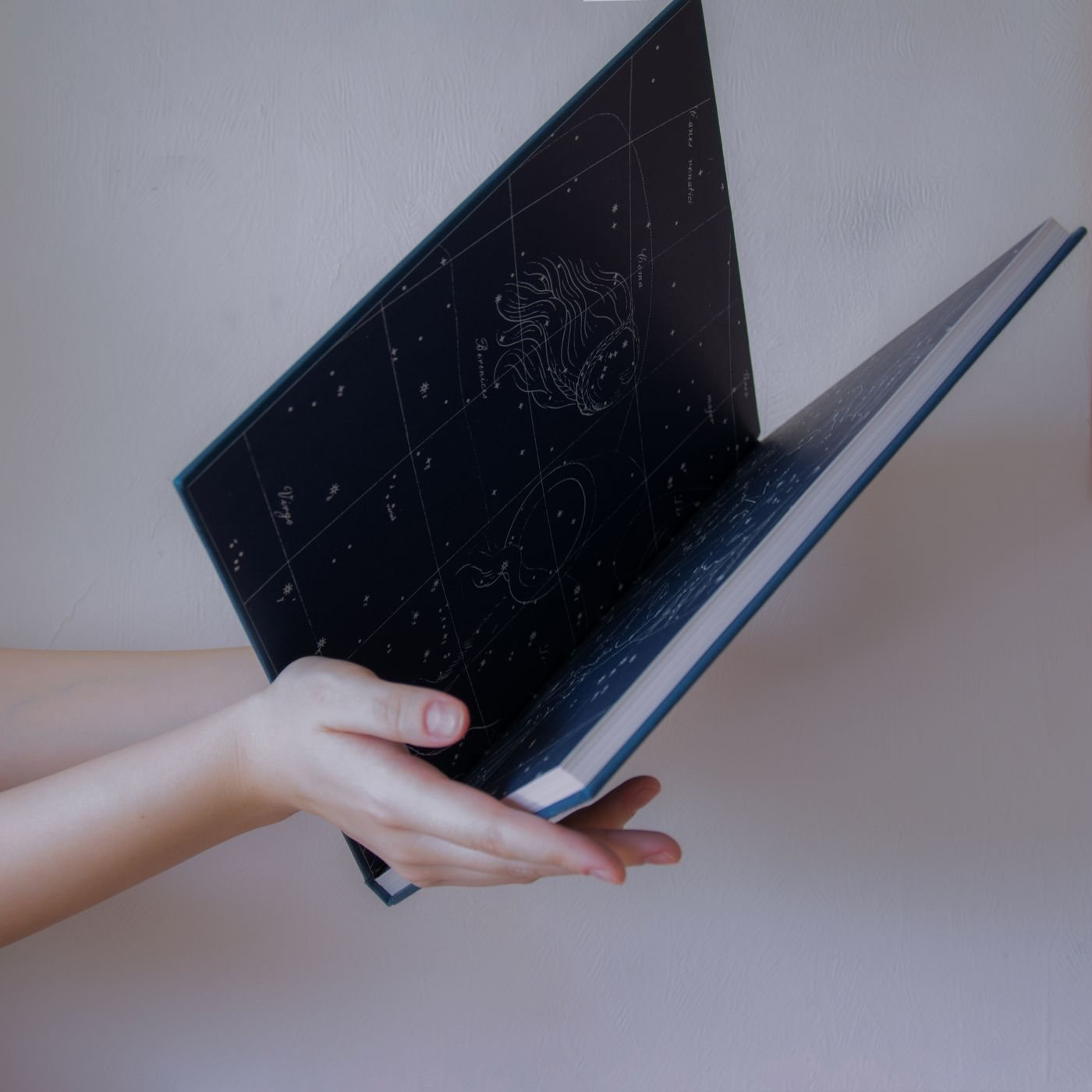
Choose a finish that suits the room
A dark print with fine pale lines may need careful printing and a suitable frame to remain readable. Ask what paper and dimensions are supplied and whether the listing includes framing. Consider the recipient's wall space and existing colours rather than choosing the largest available format. If you cannot verify the underlying chart, describe the present as artwork and avoid making scientific claims on its behalf. Include a brief note about the event you chose, leaving the recipient free to enjoy its personal significance without a technical explanation on the wall.