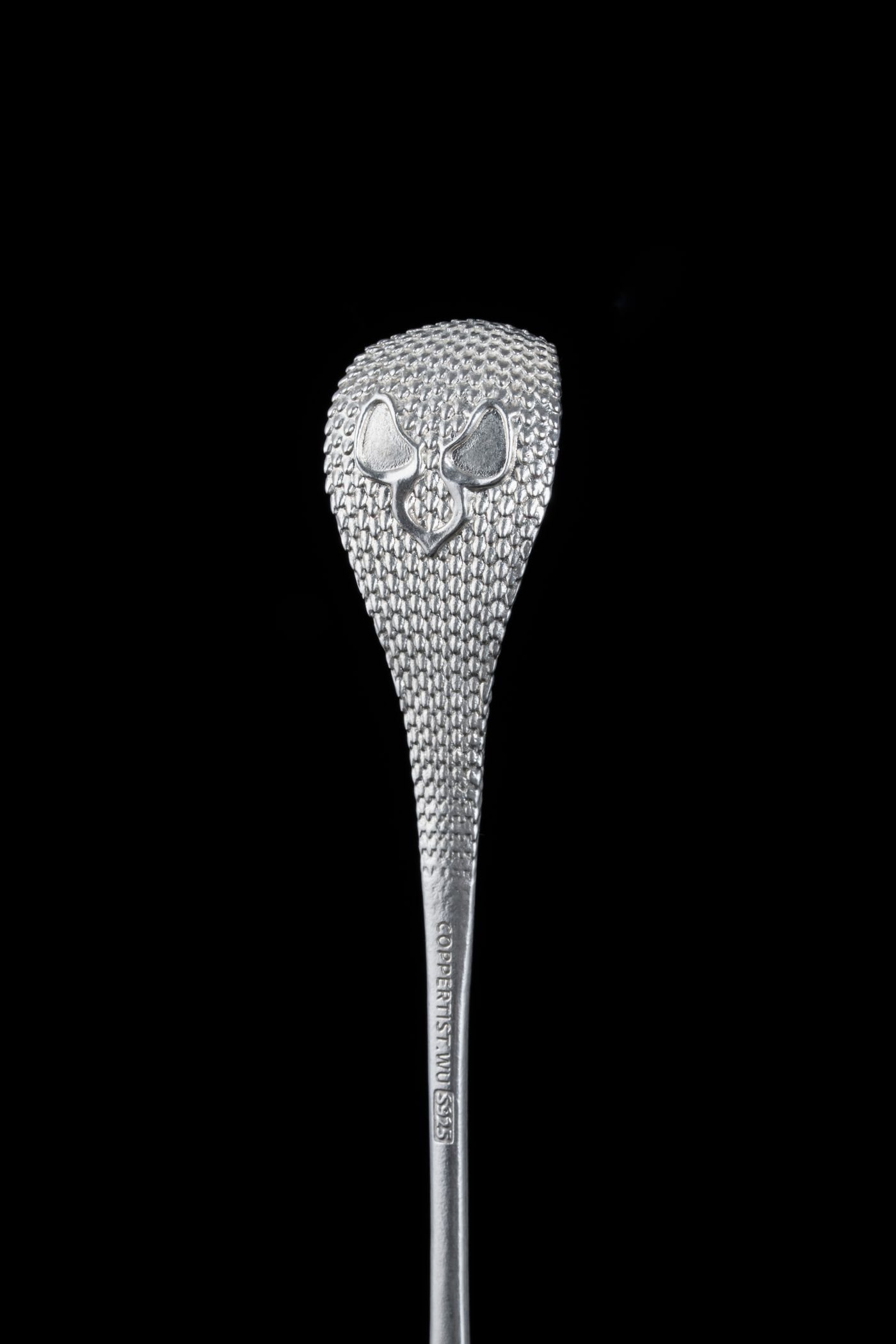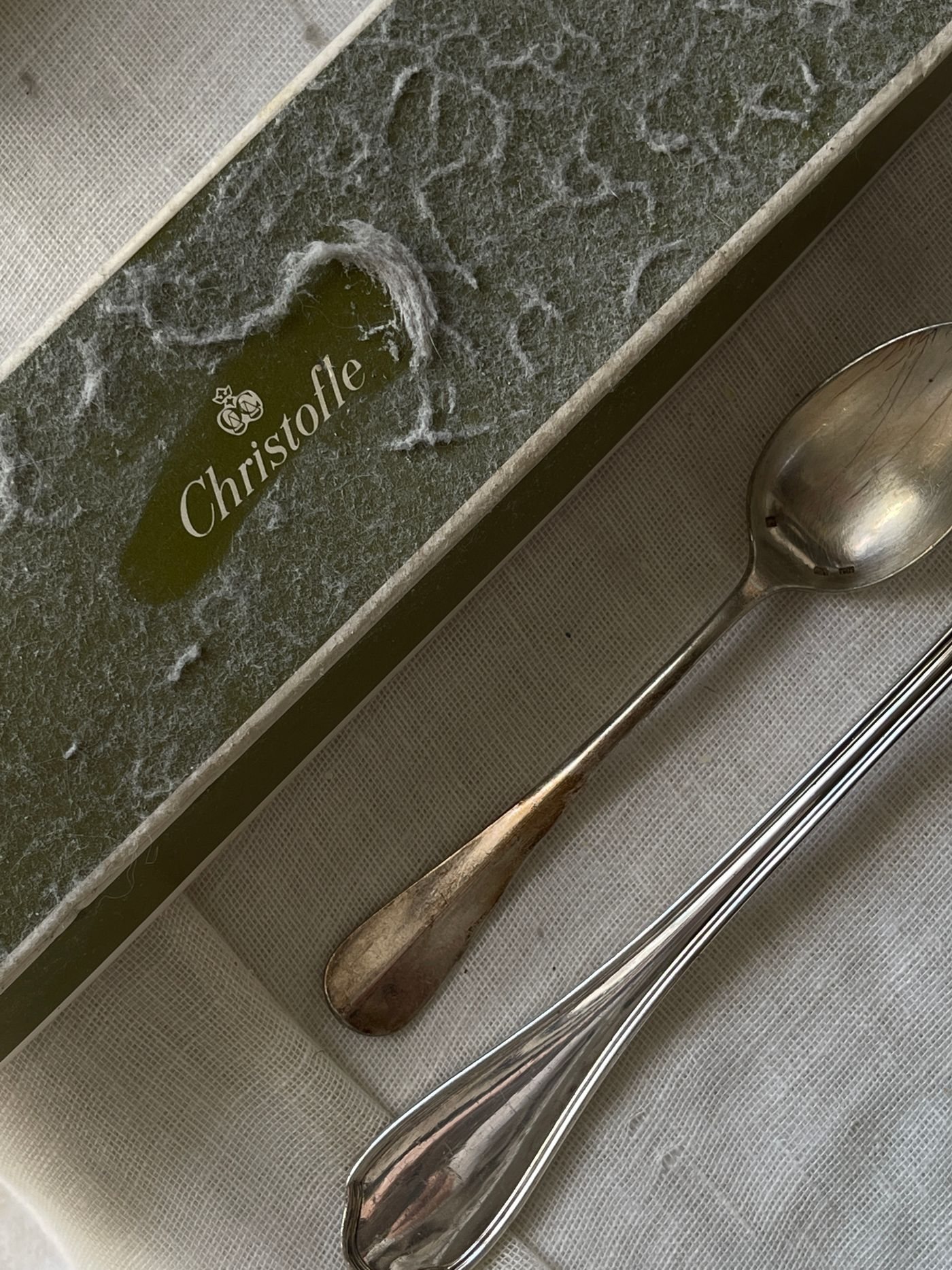
Christening presents can carry religious, family and personal meaning, and those meanings vary between households. Before choosing a traditional object, ask the parents what they would welcome and whether there are customs they want to follow. A thoughtful conversation is especially useful when several relatives are giving keepsakes. It can prevent duplicates and ensure that names, dates and wording reflect the family's plans rather than assumptions drawn from a generic christening gift category.
Ask about the kind of keepsake
Some parents want a small object for a memory box; others prefer a book, a practical contribution or nothing beyond attendance and a card. A traditional cup or piece of jewellery may be intended for later life rather than immediate use. Make that purpose clear and check the product's age and care information. Do not present decorative objects as toys. If the gift includes religious wording or imagery, confirm that it suits the family's tradition. The word christening alone does not tell you which text, symbol or form of address will feel appropriate to them.
Confirm details after the plans are settled
Copy the child's name from a reliable message, including middle names only if the parents want them used. Check whether the inscription should show the birth date, ceremony date or both. These details are easy to confuse when an order form offers several optional lines. If arrangements may change, delay permanent engraving or use a removable card for the date. Ask for a proof at the finished scale and read every character. A simple name can be more enduring than a dense inscription containing all available information, particularly on a small object that will later belong to the child.
Think about the years between now and use
Parents may need to store the keepsake for a long time. Consider its size, fragility and any maintenance required. A compact protective box with clear product information can be useful; an oversized presentation case can become a burden in a small home. Keep any material specification and care instructions together so the child can understand the item later. If you give a book, write your message on a separate card if you are unsure whether the parents want an inscription. A dated note can explain your relationship and why you chose the gift without limiting how the object is eventually used.
Keep the occasion's expectations gentle
A christening is not a competition between godparents, relatives and friends. Choose within your means and follow the parents' preferences even if they differ from a tradition you remember. Give the present at a convenient moment rather than requiring a public opening during a busy day. If it will arrive later, send a clear note explaining that without promising an uncertain delivery date. The lasting value comes from a thoughtful connection with the family, and that can be expressed in a small gift or a carefully written message as well as an elaborate keepsake.