A £40 tea gift box does not need several tins, an unfamiliar teapot and a collection of sweets to feel complete. It needs a clear idea of what the recipient drinks and how they prepare it. Build around that knowledge, then add only what makes the tea easier or more enjoyable to use. The amounts in this article are planning allowances; actual prices, delivery costs and product availability should be checked with the seller before purchase.
Start with their ordinary cup
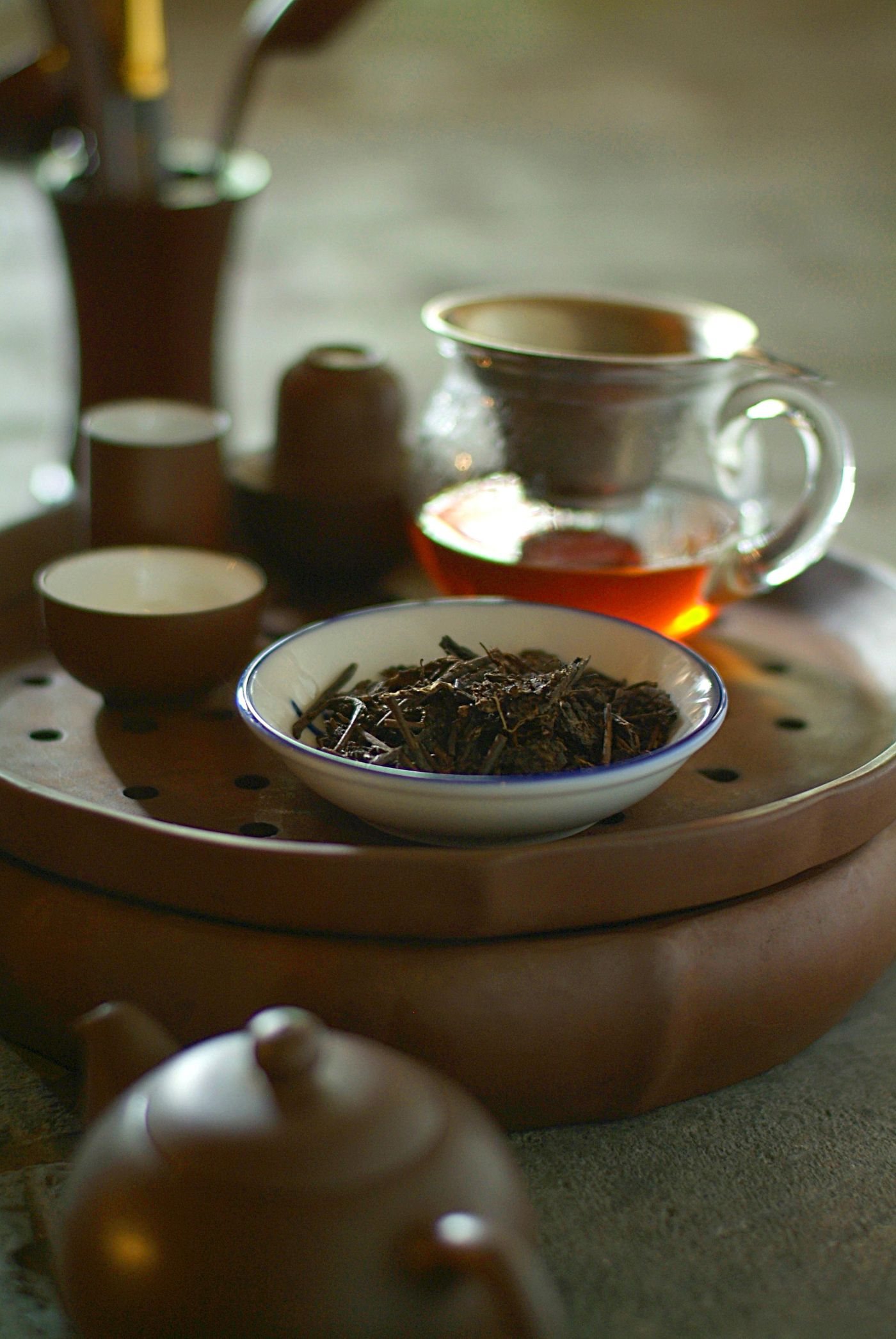
Find out whether they use bags or loose leaf, drink black tea or other infusions, and add milk or nothing. These habits narrow the choices more usefully than a general description such as tea lover. If you do not know, a small selection in their familiar format is safer than a large specialist blend.
Avoid making health promises about herbal ingredients. Preferences, allergies and other concerns are for the recipient to assess with appropriate advice. Keep every original ingredient label. If you include biscuits, ask about food restrictions rather than assuming that a tea gift is automatically suitable for everyone.
Allocate the budget before buying the box
You might reserve around £20 for the tea, £8 for an accompaniment and the remainder for packaging or delivery. That is an example, not a required shopping formula. If posting costs more, reduce the extras first. A decorative box can consume a surprising share of the budget without improving the contents.
A tin can be useful if it closes well and has a place in the recipient's kitchen. A large basket is less helpful when storage is limited. Do not include an infuser unless the person uses loose leaf and needs one; check its size against the vessel they actually use. Equipment bought to complete a theme can be the least-used part of the present.
Arrange for opening and for travel
Keep tea away from strong fragrances and protect food in its original sealed packaging. Place heavier items at the bottom, separate anything breakable and avoid balancing a mug loosely above packets. A presentation box is not necessarily a postal box, so add suitable outer protection when sending it.
A small card can explain the selection without inventing tasting notes. You might mention that one tea is their familiar favourite and another was chosen because they said they wanted to try it. Leave brewing directions to the actual pack or maker rather than applying one temperature and timing to everything.
Make the first cup easy: labels visible, packets accessible and no layers of loose decoration to clear away. A well-considered tea box feels like a gentle invitation, not a kit that must be assembled before anyone can put the kettle on.