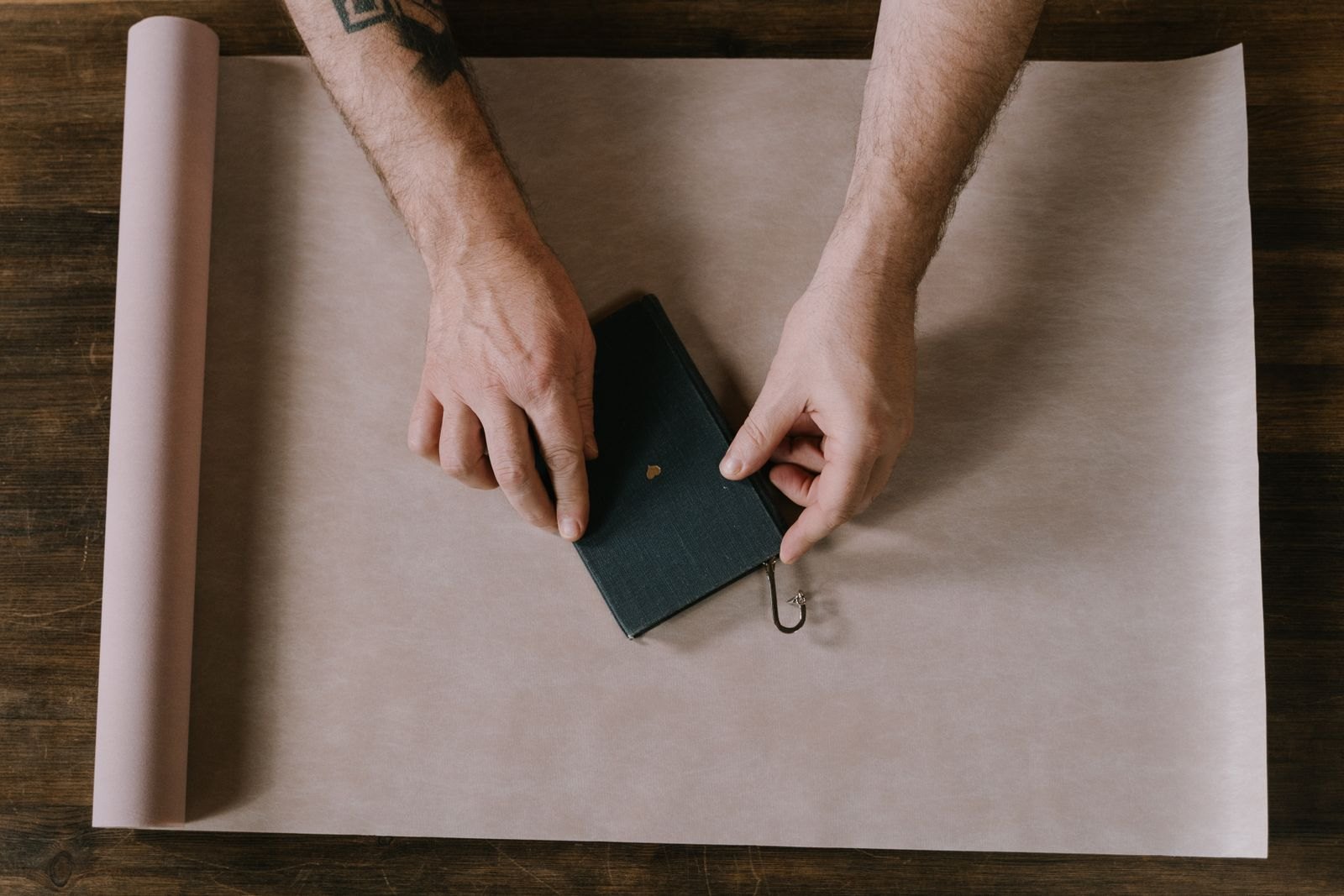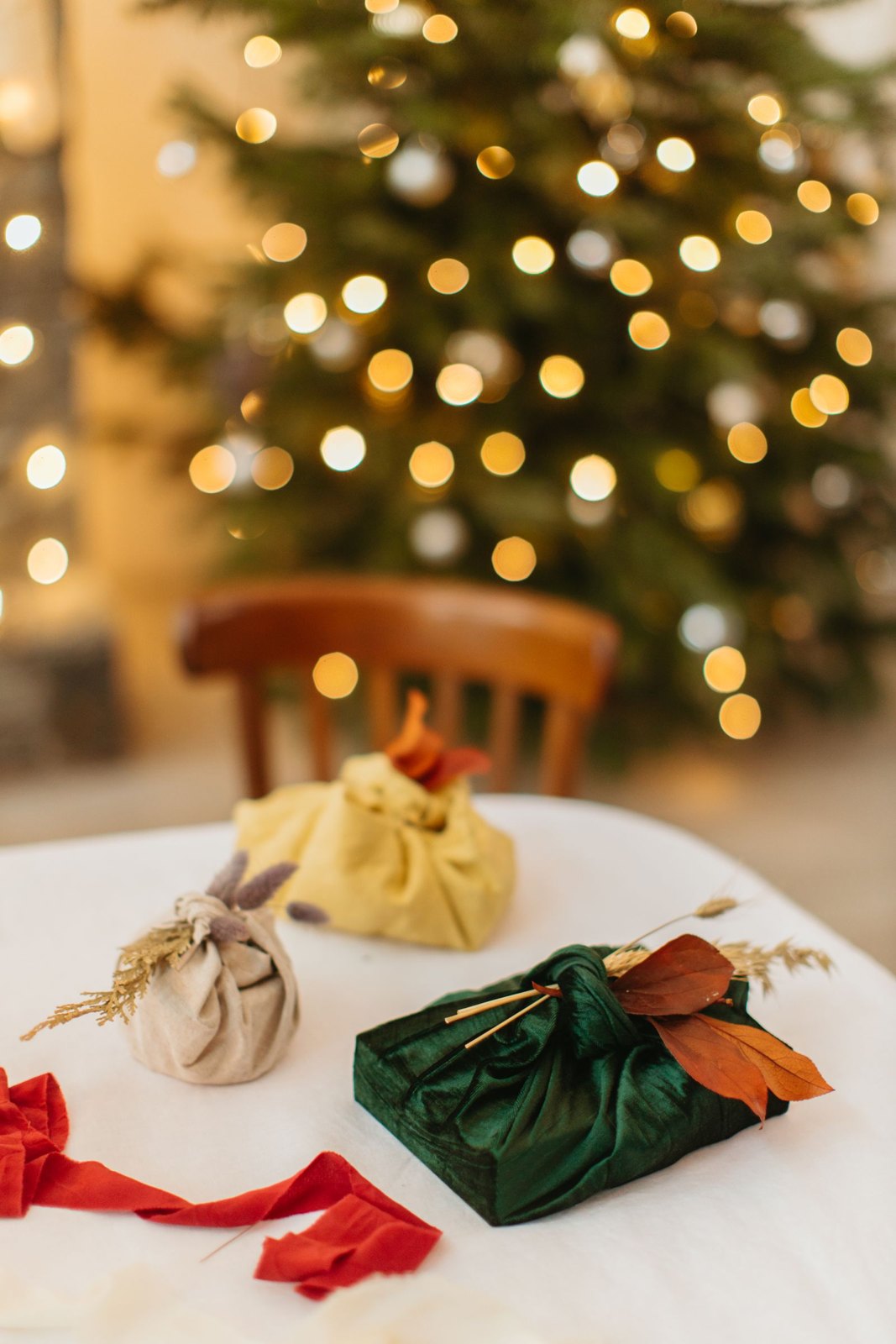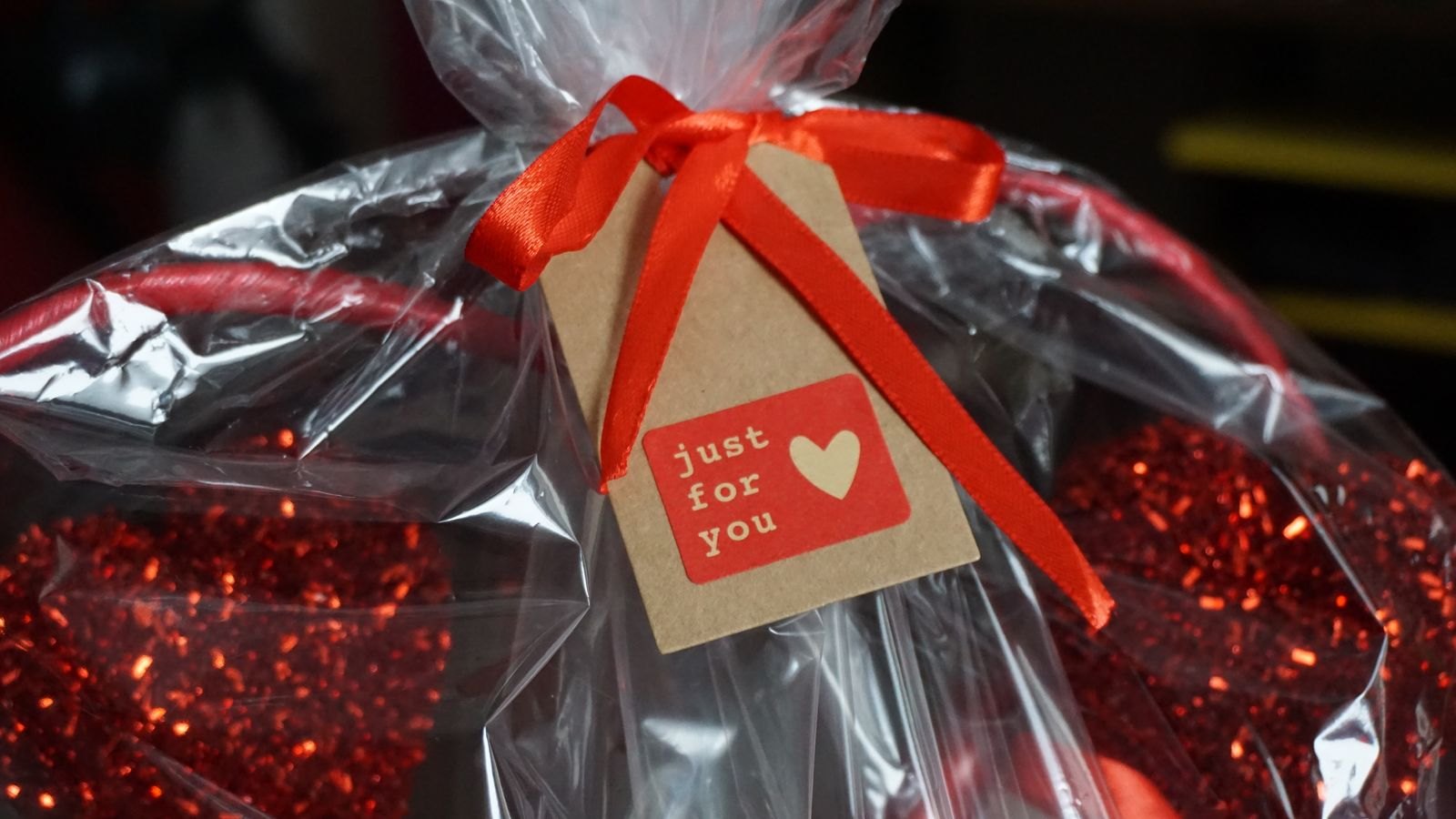
A hamper arranged beautifully on a table can behave quite differently in a car or a delivery network. Tall jars topple, small packets vanish beneath heavier things and a loose lid becomes another moving part. Plan the journey before deciding on the basket. A compact selection in a sturdy box can feel just as generous, while giving you more control over what happens between your home and the recipient's.
Choose a theme with practical limits
Start with a clear occasion for using the contents: a weekend breakfast, an afternoon of reading or a quiet evening at home. Choose a few items that belong together, rather than filling space with extras. Ask about food preferences and dietary requirements before buying edible gifts, and keep the original ingredient information with each product.
For a posted hamper, select contents suited to the carrier and the expected journey. Check the carrier's restrictions for liquids, alcohol and other potentially restricted items, as applicable. Avoid casually adding something that needs chilled storage to a parcel of shelf-stable products. If the selection needs special handling, choose a suitable delivery arrangement before committing to it.
Give every item a stable position
Arrange the heaviest items low down and keep them from resting directly against fragile ones. Put bottles or jars in their own protective wrapping, with separation between them. Small packages can sit in a shallow inner box or a paper compartment so they remain visible when the hamper is opened.
Test the layout before adding decorative filler. Pick the container up, set it down and tilt it gently while holding it securely. Contents that lean on a ribbon or on another packet for support need a better arrangement. The aim is a collection that holds its position, rather than one impressive front-facing view that collapses in transit.
Use an outer box for the journey
A presentation basket is not automatically suitable postal packaging. Royal Mail's fragile-item guidance calls for robust packaging and appropriate protective materials. For posting, place the arranged gift inside a strong outer box with suitable protection around it, following the carrier's instructions for the actual contents.
Keep loose bows and the personal note inside the outer packaging. Fill empty spaces so the presentation container cannot slide around, without forcing the lid shut under pressure. If the hamper is travelling by car, place it on a flat, stable surface and secure it appropriately; do not assume a passenger will be able to hold it upright throughout the journey.
Make unpacking part of the gift
Put the greeting where it will be seen first and make clear which materials are protective packing. A folded card can list the contents in ordinary language, especially when some are hidden by wrapping. Leave product labels, care instructions and any relevant storage information available to the recipient.
Before sealing, take a photograph for your own packing reference and check that nothing has been left beside the box. Ask yourself whether the recipient can remove the items without tipping the whole hamper out. A small amount of breathing room between gifts often creates a more generous impression than a basket packed to the brim.