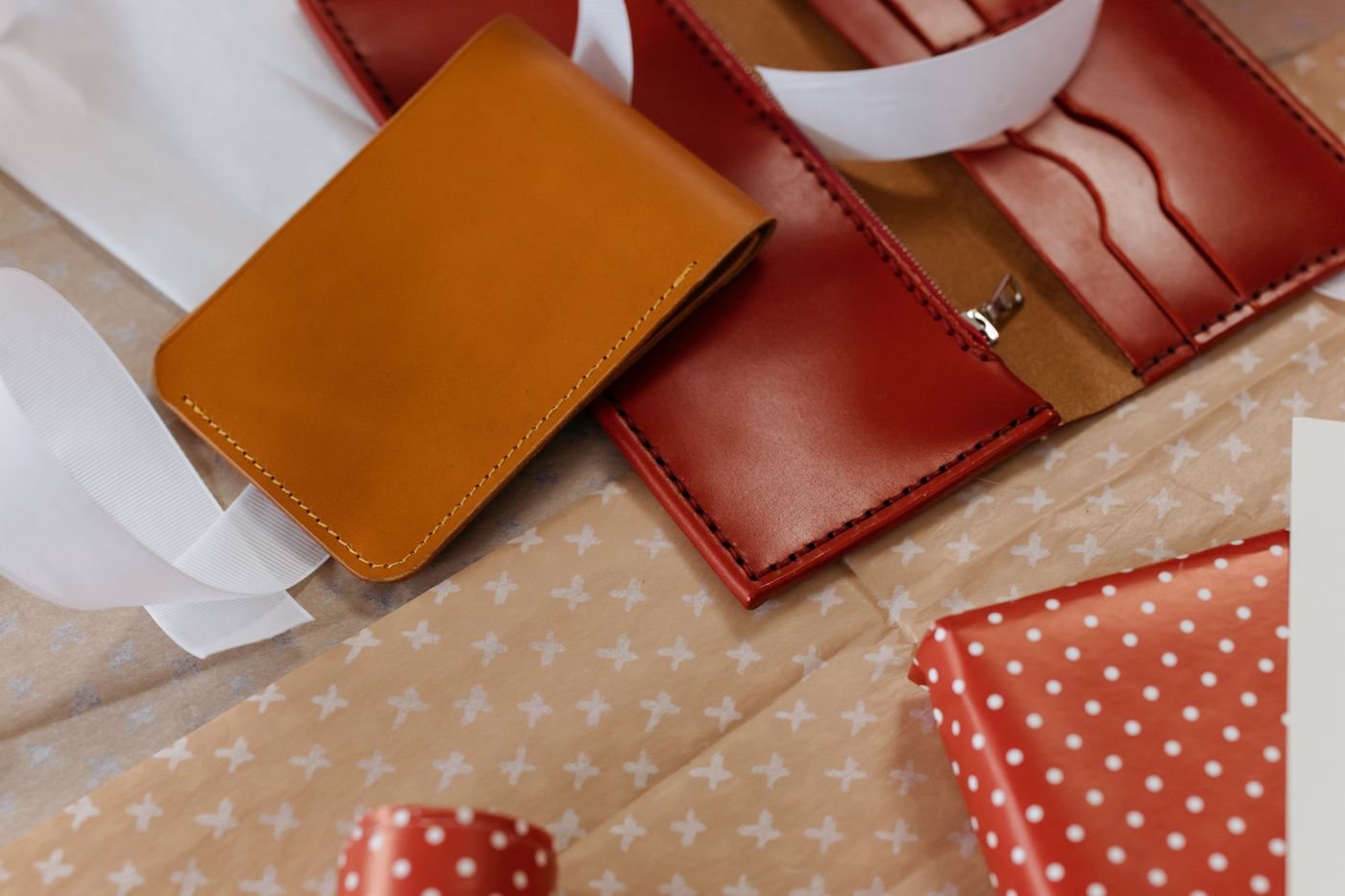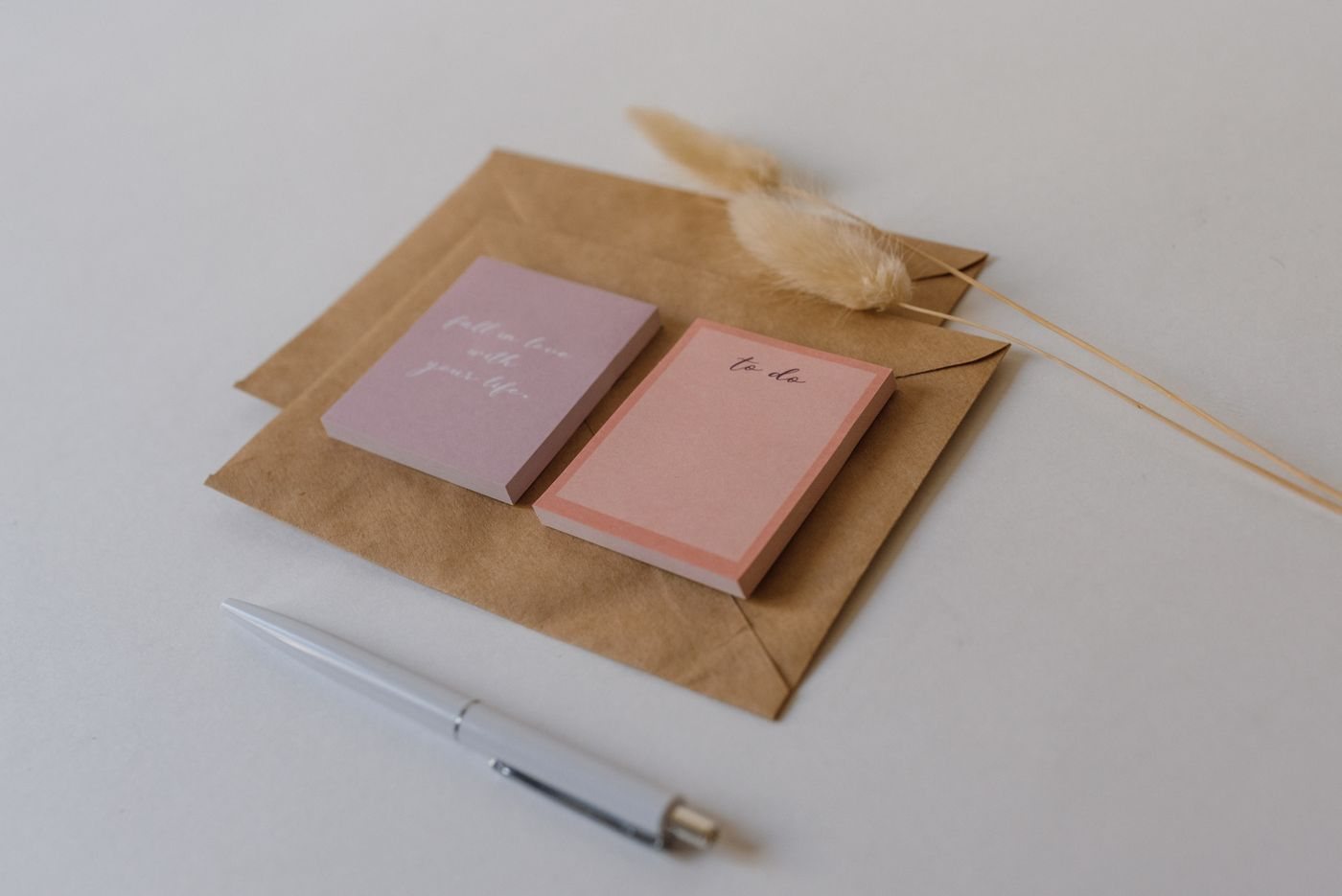
A teacher thank-you gift is a gesture of appreciation, not a measure of a family’s gratitude or spending power. A modest approach makes it easier for everyone to participate without comparison. Before choosing anything, check whether the school has guidance on gifts. Then think about a short, specific message from the pupil. It can recognise something that made the year better without requiring an expensive object to carry the meaning.
Check the school’s approach first
Some schools have guidance about accepting gifts or organising collections. Use the school’s published information or ask the office rather than assuming a rule from another school applies. Avoid putting the teacher in the position of explaining a policy while opening a present.
If a class collection is organised, keep contributions genuinely optional and private. A suggested amount should not become a public comparison. Include a route for a child to add a note or drawing without contributing money, and avoid displaying names in a way that reveals who gave what.
Write one detail the teacher can recognise
A useful message describes something particular: a lesson that sparked an interest, patient help with a difficult task or a classroom routine the child enjoyed. Let the pupil use their own words, even if the spelling or drawing is imperfect. An adult can add a separate practical note if needed.
Keep the message appreciative without requesting future favours or making a gift feel connected to assessment. There is no need to compare the teacher with colleagues or disclose a child’s private information in a card that may be opened with others nearby. A simple, recognisable example is enough.
Keep the object easy to receive
If you add a present, choose something small and straightforward. A modest stationery item may be appropriate if you know it is useful; another novelty mug may not be. Food and flowers involve preferences, storage and transport, so do not assume either is automatically the easy option.
Avoid highly personal gifts, strong fragrances and large display pieces. An object with a child’s photograph printed on it may be difficult for the teacher to use or store. The card can carry that personal element instead. For a pooled voucher, check school guidance and keep redemption details with the original information.
Think about the handover
Give the present at a convenient moment rather than creating a performance during a busy collection time. A teacher carrying books, bags and several gifts may appreciate compact packaging. Keep identifying details limited to what is needed to know who the card is from.
If you want to thank teaching assistants or other staff, recognise their contribution directly rather than treating it as an afterthought. Separate short notes can be more meaningful than trying to divide a large gift. A sincere thank-you remains complete even when there is nothing wrapped alongside it.